



The Canton Group Examines Maryland Agencies’ Shift Toward Drupal

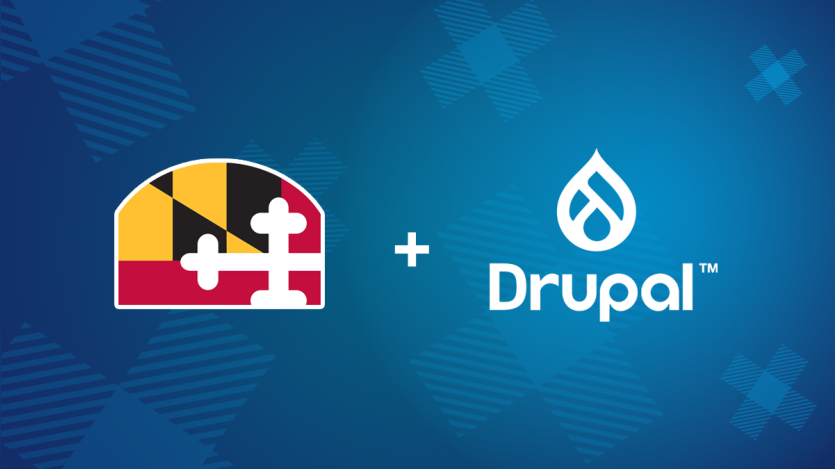
A recent article shared by The Canton Group examines why government agencies in Maryland are increasingly aligning around Drupal as a platform for their websites. While the shift may appear to be a technical platform decision, the article argues that it reflects broader priorities in digital government, including accessibility compliance, security governance, and long-term sustainability.
For public-sector organisations, digital platforms must do more than publish content. They must meet strict compliance requirements, integrate with enterprise systems, and support services used by diverse citizen groups. The article suggests that Drupal’s open-source architecture, governance controls, and modular design help address these needs in government environments.
However, the article emphasises that selecting Drupal alone does not guarantee successful outcomes. Agencies sometimes assume that accessibility compliance, upgrades, and performance planning will follow automatically once the platform is adopted. In practice, these outcomes depend on early decisions around architecture, governance models, integrations, and operational ownership.
According to the article, government Drupal initiatives tend to succeed when agencies treat the platform as an evolving system rather than a one-time deployment. Projects that plan for continuous modernisation, coordinate stakeholders across departments, and establish governance frameworks early are more likely to sustain their digital platforms over time.
The discussion reflects a broader theme in public-sector digital transformation: technology choices alone rarely determine project success. Governance structures, organisational coordination, and long-term planning often shape whether platform standardisation delivers its intended benefits.
ASK: Drupal Community Needs Your Support
View all →
Disclosure: This content is produced with the assistance of AI.
Disclaimer: The opinions expressed in this story do not necessarily represent that of TheDropTimes. We regularly share third-party blog posts that feature Drupal in good faith. TDT recommends Reader's discretion while consuming such content, as the veracity/authenticity of the story depends on the blogger and their motives.
Note: The vision of this web portal is to help promote news and stories around the Drupal community and promote and celebrate the people and organizations in the community. We strive to create and distribute our content based on these content policy. If you see any omission/variation on this please reach out to us at #thedroptimes channel on Drupal Slack and we will try to address the issue as best we can.
Related Organizations

You may also like