Twig Tweak drupal_block Function Examined for Performance Tradeoffs

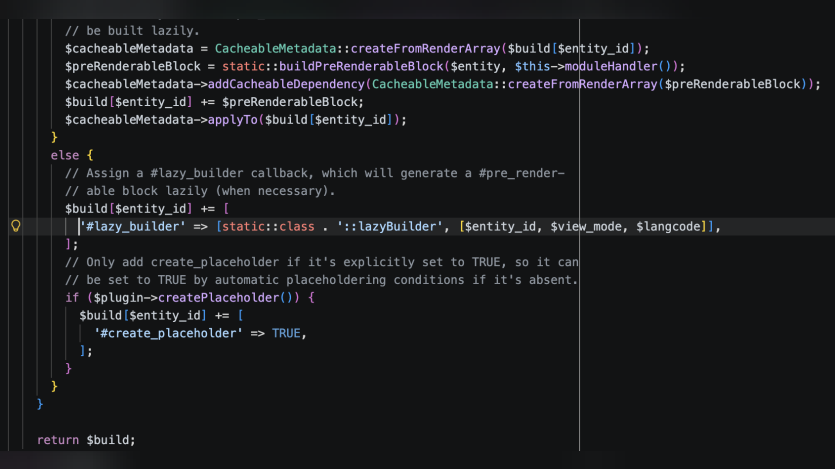
Evaluating Drupal’s rendering pipeline is central to a technical article by Andy Whale, which examines the behaviour of the drupal_block() function in Twig Tweak and its interaction with caching layers. The function allows developers to render block plugins directly within Twig templates, but this convenience introduces performance implications when used outside its intended scope.
The article explains that Drupal’s core block system relies on a lazy builder mechanism, deferring execution of a block’s build() method until after a render cache check. In contrast, drupal_block() executes this method immediately, before any cache lookup. This means expensive operations such as menu tree loading and access checks run on every render, reducing the effectiveness of the render cache, particularly for authenticated users and high-variation pages.
The performance impact becomes most visible in scenarios where caching provides limited protection. These include authenticated sessions that bypass page cache, pages with multiple cache context variations, and cache-warming periods following deployments or cache clears. In these cases, repeated execution of block build logic increases system load and reduces scalability.
Andy Whale notes that this behaviour is by design rather than a defect. The function is appropriate for rendering standalone block plugins, prototyping, or lightweight use cases. For blocks already placed through Drupal’s administrative interface, he recommends alternatives such as drupal_entity('block', ...), region render arrays, or drupal_region(), which preserve lazy loading, cache efficiency, and configuration awareness.
The article also highlights additional differences between direct plugin rendering and the entity-based pipeline, including the absence of block configuration cache tags and hook invocations when using drupal_block(). These differences can affect cache invalidation and integration with other modules, reinforcing the importance of choosing the appropriate rendering method based on context.
Reference: Understanding drupal_block() in Twig Tweak: Using the Right Tool for the Right Job (17 April 2026)

ASK: Drupal Community Needs Your Support
View all →
Disclosure: This content is produced with the assistance of AI.
Disclaimer: The opinions expressed in this story do not necessarily represent that of TheDropTimes. We regularly share third-party blog posts that feature Drupal in good faith. TDT recommends Reader's discretion while consuming such content, as the veracity/authenticity of the story depends on the blogger and their motives.
Note: The vision of this web portal is to help promote news and stories around the Drupal community and promote and celebrate the people and organizations in the community. We strive to create and distribute our content based on these content policy. If you see any omission/variation on this please reach out to us at #thedroptimes channel on Drupal Slack and we will try to address the issue as best we can.

Related People


You may also like