



Drupal Community Health Team Urges Early Collaboration Before Conflict Reports

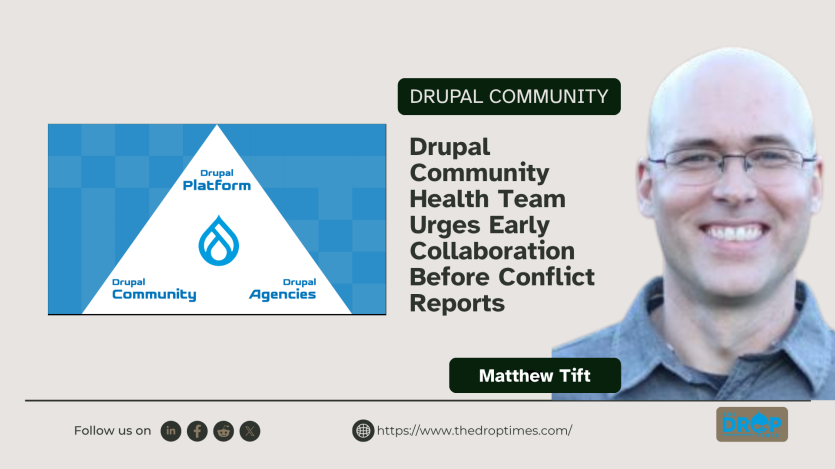
Community health in Drupal depends on how contributors handle everyday friction before it becomes a formal conflict, according to a new Drupal.org article by Matthew Tift, a member of the Community Health Team. The article, “Before the Incident Report: How We Are Collaborative,” connects DrupalCon Chicago discussions with the practical work of building healthier collaboration across issue queues, Slack channels, contribution spaces, and community events.
The article begins with the Driesnote at DrupalCon Chicago, where “community” appeared as one of Drupal’s three pillars alongside “platform” and “agencies.” Matthew notes that while the framing was memorable, community-focused sessions often draw fewer attendees than technical sessions. He argues that this gap matters because Drupal’s community pillar cannot depend only on people who attend Community Working Group sessions or formally volunteer for community health work.
Matthew explains that the Community Working Group includes two separate teams with different responsibilities. The Conflict Resolution Team handles formal incident reports after they occur. The Community Health Team works earlier in the process through workshops, resources, and preventive support intended to reduce the number of situations that reach the reporting stage.
The article centres on the “We are collaborative” section of the DrupalCon Code of Conduct. That section encourages contributors to work through misunderstandings directly where practical, ask for help when support is useful, and take responsibility for their words and actions. Matthew describes this as the middle ground between ignoring friction and filing a formal report.
Examples in the article include issue-queue comments that come across as dismissive, jokes or remarks that land badly at events, cultural differences in communication style, and repeated patterns that cause discomfort before they become formal incidents. Matthew argues that early, respectful conversations can often prevent resentment from building. He also says the Community Health Team can help contributors think through difficult situations without investigating or taking sides.
The article is careful to distinguish direct resolution from situations where direct contact may be unsafe or inappropriate. Matthew notes that power differences, repeated harmful behaviour, safety concerns, and bad-faith engagement may require formal reporting instead. In those cases, the Conflict Resolution Team remains the appropriate channel.
The wider message is that community health is not separate from Drupal’s technical work. Matthew writes that the work happens in the same places where code review, contribution, mentoring, and event participation happen. The article frames collaboration as an everyday responsibility shared across the community, not a task assigned only to moderators, organisers, or working group members.
ASK: Drupal Community Needs Your Support
View all →
Disclosure: This content is produced with the assistance of AI.
Note: The vision of this web portal is to help promote news and stories around the Drupal community and promote and celebrate the people and organizations in the community. We strive to create and distribute our content based on these content policy. If you see any omission/variation on this please reach out to us at #thedroptimes channel on Drupal Slack and we will try to address the issue as best we can.

Related People


You may also like