



How Drupal Powers Content Syndication Across NEA Affiliate Websites

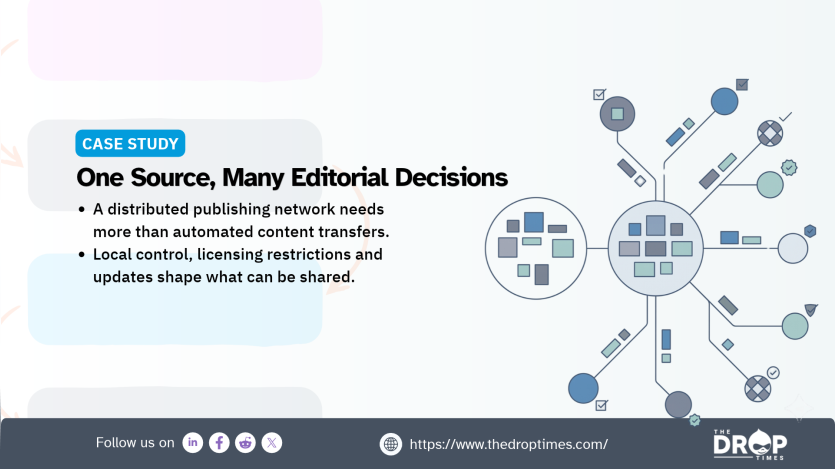
The National Education Association (NEA) uses a Drupal-based content syndication system developed by Capellic to distribute selected national content across affiliate websites. Paul Venuti, a senior Drupal developer at Capellic, detailed the implementation in a technical overview published on 29 September 2026. The system addresses the challenge of sharing content efficiently while leaving affiliates in control of what appears on their websites.
Affiliate editors use a dedicated dashboard to review eligible material and schedule content for syndication. Drupal core's Migrate module handles transfers, supported by custom Drush commands, Robo and a central overnight cron job. Capellic describes an architecture serving more than 30 affiliate sites without requiring a separate scheduled job for each.
Editorial safeguards determine what can be transferred. Images restricted by licensing are excluded, syndicated content retains its original attribution, and imported articles remain unpublished until local editors approve them. Affiliates can add context through an Affiliate Perspective component without changing the national content. Scheduled updates also carry subsequent changes made by NEA's national editors to copies already syndicated.
Capellic reports that affiliates have syndicated thousands of content items since the programme launched. A central tracking dashboard records which affiliates have imported and published each item and provides exportable reports. The agency has not published independently verified measurements of time saved or additional audience reach. The full technical case study explains the implementation and includes workflow demonstrations.
References

ASK: Drupal Community Needs Your Support
View all →
Disclosure: This content is produced with the assistance of AI.
Note: The vision of this web portal is to help promote news and stories around the Drupal community and promote and celebrate the people and organizations in the community. We strive to create and distribute our content based on these content policy. If you see any omission/variation on this please reach out to us at #thedroptimes channel on Drupal Slack and we will try to address the issue as best we can.

Related People


Related Organizations

You may also like