A page can make perfect sense to a person while leaving an AI system uncertain about what is current, authoritative, or safe to use. Will Huggins argues that Drupal's structured content and access controls can narrow that gap.
Maintainers of patch-heavy Drupal sites can spend significant time checking module compatibility and whether existing fixes still apply. Drupal-Code-Query now exposes several of those checks to LLM agents and direct API clients.
A capable model becomes a fragile dependency when access, pricing, or policy changes. Drupal teams need routing and fallback plans that keep governance inside the site rather than inside one provider.
...more
The sessions place Drupal AI in front of service desks, editorial teams, and sensitive campaign moderation instead of leaving the discussion at roadmap level.
...more
For open source communities, the useful question is not the label sovereign AI. It is who can inspect, move, and control the systems behind AI-enabled work.
...more
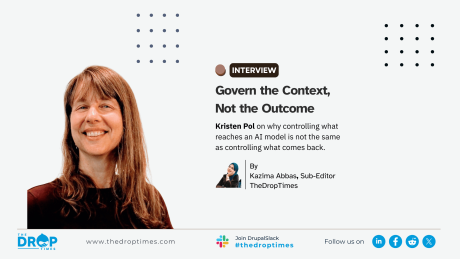
AI systems need more than models. Matthew Saunders argues that Drupal’s existing content controls offer a useful foundation for governed AI workflows.
...more
Generated code may work on launch day. The harder test is whether a team can review, maintain, and secure it when a platform advisory becomes urgent.
...more
DrupalCon Rotterdam’s AI programme separates hands-on development from organisational adoption. The format gives technical teams and decision-makers different entry points into the same shift in Drupal practice.
...more
AI evaluation in Drupal can turn into infrastructure work before the workflow is visible. DrupalForge’s template approach separates early testing from local setup, live projects, and production data.
...more