

WordPress to Drupal Migration Guide Outlines When, Why and How Teams Make the Shift

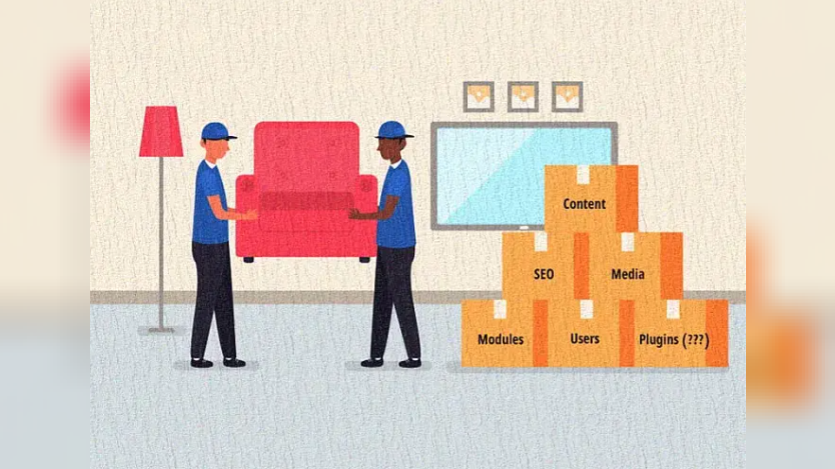
Migration from WordPress to Drupal often emerges from accumulated friction across maintenance, security, content structure, and scalability rather than a single failure point.
In a blog post by Shefali Shetty of Specbee, common indicators for migration include heavy reliance on plugins, fragile maintenance cycles, limited search capabilities, and difficulty managing structured content. The article contrasts WordPress’s plugin-driven model with Drupal’s structured architecture, positioning Drupal as more suitable for complex and scalable platforms.
The post outlines a structured migration approach that begins with content auditing and data mapping, followed by redesigning content models for Drupal’s entity system rather than replicating WordPress structures. It then covers building a Drupal foundation, executing migration using the Migrate API, and improving search, performance, and accessibility as part of the transition.
A case study of DamFailures.org illustrates these challenges in practice. The site faced inconsistent content structures, limited search restricted to titles, and ongoing maintenance concerns. Migration to Drupal involved restructuring content, improving indexing and discoverability, and resulted in measurable improvements, including a performance increase from 52 to 98.
The article presents migration not as a reaction to failure but as a strategic decision aligned with long-term scalability, structured content management, and evolving platform requirements.
ASK: Drupal Community Needs Your Support
View all →
Disclosure: This content is produced with the assistance of AI.
Disclaimer: The opinions expressed in this story do not necessarily represent that of TheDropTimes. We regularly share third-party blog posts that feature Drupal in good faith. TDT recommends Reader's discretion while consuming such content, as the veracity/authenticity of the story depends on the blogger and their motives.
Note: The vision of this web portal is to help promote news and stories around the Drupal community and promote and celebrate the people and organizations in the community. We strive to create and distribute our content based on these content policy. If you see any omission/variation on this please reach out to us at #thedroptimes channel on Drupal Slack and we will try to address the issue as best we can.

Related Organizations

Related People


You may also like