



Drupal CMS 2.0 Introduces Canvas and Site Templates in Shift From Proof of Concept

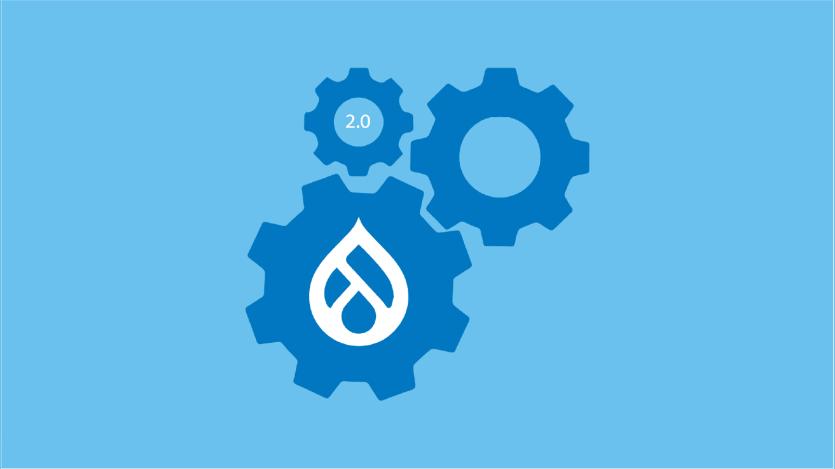
Drupal CMS 2.0 builds on the project’s initial proof-of-concept release with the introduction of two new components: Canvas and site templates. In an interview published on Drupal.org, Product Owner Pam Barone discusses how the January 2026 release shifts attention toward authoring workflows and site setup rather than core functionality.
Barone describes Drupal CMS 1.0 as a rapid effort to demonstrate that the community could bundle established best practices into a single, opinionated distribution. While successful as a foundation, she notes that the earlier release largely packaged existing tools and did not introduce new interaction models.
Drupal CMS 2.0 introduces Canvas, a visual editor intended to make page building more accessible to non-developers, and site templates, which provide near-complete starting points based on defined use cases. According to Barone, these additions are intended to reduce early decision-making and configuration work, rather than to replace Drupal’s underlying flexibility.
Site templates are positioned as opinionated entry points rather than generic starters. The initial template, Byte, targets SaaS product marketing sites and includes predefined content models, example content, and integrations, along with a new theme. Barone explains that this approach emerged from the difficulty of designing something that is both broadly applicable and immediately useful.
The interview also addresses integrations and configuration. Barone points to recipes as a way to streamline setup for commonly used services by bundling configuration and prompting users for required details. She cites Mailchimp integration in the Byte template as an example of how this approach reduces manual setup while still relying on existing contributed modules.
Throughout the discussion, Barone frames the release as an incremental step toward reducing friction in common tasks. Rather than “making hard things easy,” she characterises the current phase as making straightforward use cases less cumbersome, with more complex scenarios left for later iterations.
The interview was conducted by Ryan Witcombe and published on Drupal.org on 3 February 2026. Drupal CMS 2.0 was released on 28 January 2026 and is available for download.
The full interview is available on Drupal.org.

ASK: Drupal Community Needs Your Support
View all →
Disclosure: This content is produced with the assistance of AI.
Disclaimer: The opinions expressed in this story do not necessarily represent that of TheDropTimes. We regularly share third-party blog posts that feature Drupal in good faith. TDT recommends Reader's discretion while consuming such content, as the veracity/authenticity of the story depends on the blogger and their motives.
Note: The vision of this web portal is to help promote news and stories around the Drupal community and promote and celebrate the people and organizations in the community. We strive to create and distribute our content based on these content policy. If you see any omission/variation on this please reach out to us at #thedroptimes channel on Drupal Slack and we will try to address the issue as best we can.

Related People


You may also like