

Drupal GitLab Issue Migration Update Details Contributor Workflow Changes

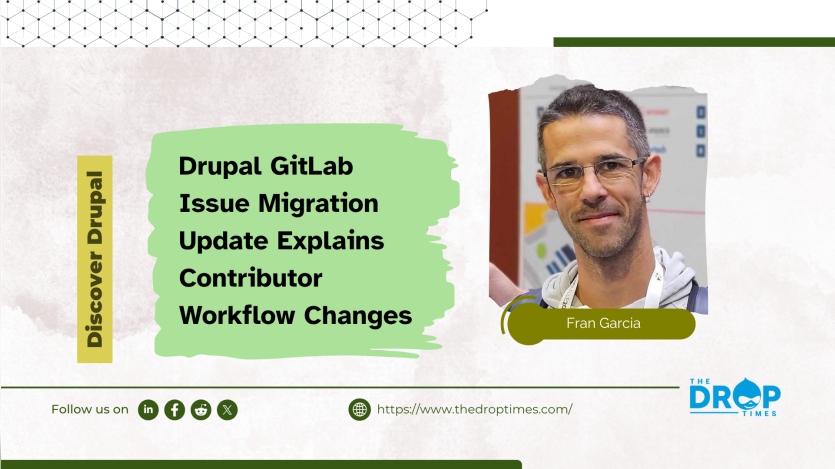
Contributors working on Drupal projects are adjusting to a new issue tracking model as projects migrate from Drupal.org to GitLab. A blog post by Fran Garcia-Linares explains how day-to-day workflows are changing and what remains consistent for non-maintainer contributors.
The migration moves project issue queues to git.drupalcode.org, where issues are managed as “work items.” Existing Drupal.org issue URLs continue to redirect to their GitLab equivalents, and issue identifiers are preserved to maintain continuity. Contributors can still create issues without special permissions, and contribution credits continue to sync with Drupal.org.
Several familiar collaboration practices remain in place. Shared issue forks are still used for code contributions, with fork management handled through Drupal.org while merge requests and code review take place in GitLab. Workflow conventions such as “Needs review” and “RTBC” continue as scoped labels, allowing contributors to follow established practices despite changes in tooling.
The update also highlights improvements introduced with the migration, including a modern issue editor with markdown support, integrated access to merge requests and continuous integration logs, and improved filtering and search capabilities. These changes reduce context switching by consolidating issue tracking and code review within a single interface.
At the same time, stricter permission controls introduce new constraints. While anyone can comment on issues, only authors and maintainers can edit descriptions, and metadata such as labels and priorities are restricted to users with elevated roles. A proposed update aims to restore broader label management through a Drupal.org interface. The transition remains in an iterative phase, with contributor feedback collected through Drupal.org issue queues and community Slack as the workflow continues to evolve.

ASK: Drupal Community Needs Your Support
View all →
Disclosure: This content is produced with the assistance of AI.
Disclaimer: The opinions expressed in this story do not necessarily represent that of TheDropTimes. We regularly share third-party blog posts that feature Drupal in good faith. TDT recommends Reader's discretion while consuming such content, as the veracity/authenticity of the story depends on the blogger and their motives.
Note: The vision of this web portal is to help promote news and stories around the Drupal community and promote and celebrate the people and organizations in the community. We strive to create and distribute our content based on these content policy. If you see any omission/variation on this please reach out to us at #thedroptimes channel on Drupal Slack and we will try to address the issue as best we can.

Related People


You may also like