



Drupal AI Ecosystem Tracker Added to AI Dashboard Documentation

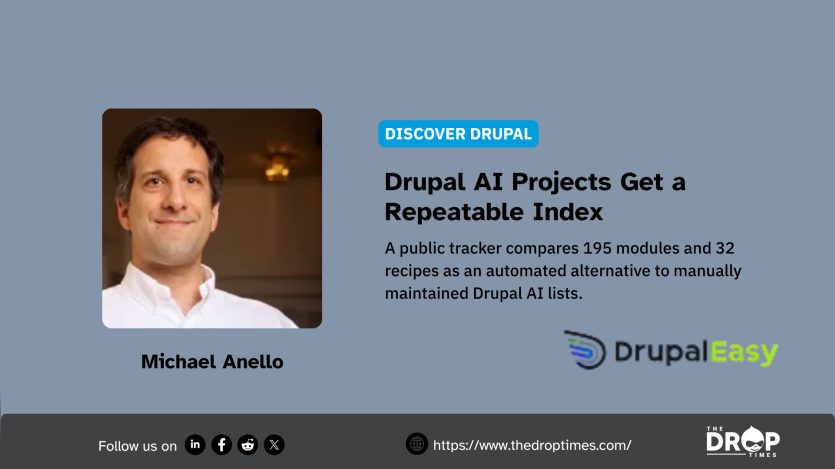
Drupal teams tracking the AI ecosystem can now consult an automatically generated listing of modules and recipes that declare a hard dependency on the AI module. Michael Anello, co-founder and vice president of DrupalEasy, described how he built the tracker in a blog post published on 5 July 2026. An update dated 18 July says the functionality is now part of the AI Dashboard module’s documentation, where the published snapshot lists 195 modules and 32 recipes generated on 8 July 2026.
The ecosystem listing serves a different purpose from Nick Opris’s activity dashboard for Drupal AI Initiative projects. Opris’s system follows issues, comments, merge requests, roadmaps, blockers, and recent contribution activity across selected projects. Anello’s tracker instead catalogues modules and recipes that depend on the AI module, showing what projects are available rather than how contribution work is progressing.
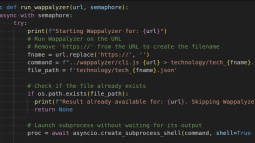
Anello started the project after finding existing curated lists incomplete or outdated while preparing a Drupal AI training course. Using Claude Code inside a generic DDEV environment, he developed a Python collection script and separate Markdown and HTML renderers. Module candidates come from the Drupal AI ecosystem listing and Drupal’s Composer repository search, while recipe candidates also draw from Packagist and the AI Dashboard module’s recommended recipe list. Each candidate is deduplicated and checked for its project type, a hard drupal/ai requirement, and compatibility with Drupal 10 or 11 before inclusion.
The module table includes project descriptions, versions, release dates, stability, Drupal.org usage, and security-advisory coverage. Recipes are listed separately with cumulative Packagist downloads and stars because Drupal.org does not expose equivalent usage or security-coverage data for that project type. Drupal contributors Martin Anderson-Clutz, Mauricio Dinarte, and Rob Loach provided feedback or contributions covering security indicators, the HTML presentation, and project descriptions. The generated tables provide a reproducible ecosystem snapshot, although their counts and release information remain tied to the most recent data-generation date.


ASK: Drupal Community Needs Your Support
View all →
Disclosure: This content is produced with the assistance of AI.
Note: The vision of this web portal is to help promote news and stories around the Drupal community and promote and celebrate the people and organizations in the community. We strive to create and distribute our content based on these content policy. If you see any omission/variation on this please reach out to us at #thedroptimes channel on Drupal Slack and we will try to address the issue as best we can.

Related Drupal Initiatives

Related Organizations

Related People


You may also like