



Shawn Duncan Explains How Drupal 11.3 Renders HTMX Responses

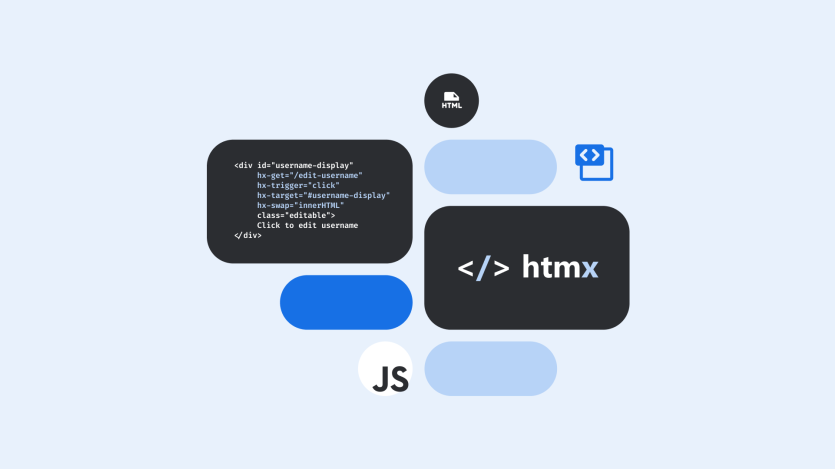
Developers using HTMX with Drupal 11.3 can request a reduced HTML response instead of the full page output. Shawn Duncan, Drupal contributor, explains the rendering process in Rendering Content for HTMX. He focuses on two ways to invoke HtmxRenderer: the _htmx_route route option and the drupal_htmx wrapper format.
Duncan traces the route-option path through HtmxContentViewSubscriber, which listens for the kernel.view event at a higher priority than Drupal's standard MainContentViewSubscriber. When a qualifying route requests an HTML response, the subscriber passes the render array to HtmxRenderer and supplies the resulting response before the standard subscriber processes the event. The wrapper-format path instead lets MainContentViewSubscriber select the same renderer when _wrapper_format is set to drupal_htmx. Drupal varies caching by that parameter, allowing the same path to maintain separate representations for full-page and HTMX requests.
The reduced document contains status messages, the main content, and placeholders for required CSS and JavaScript assets, without the surrounding regions of a standard Drupal page. Drupal's HtmlResponseAttachmentsProcessor replaces those placeholders, while the HTMX integration JavaScript handles the assets on the requesting page. Duncan says work for Drupal 12 includes more automatic handling of status-message swaps and that the JavaScript integration is expected to change with developments in HTMX 4. Those changes are future-facing and are not part of the Drupal 11 behaviour covered in the walkthrough.

ASK: Drupal Community Needs Your Support
View all →
Disclosure: This content is produced with the assistance of AI.
Disclaimer: The opinions expressed in this story do not necessarily represent that of TheDropTimes. We regularly share third-party blog posts that feature Drupal in good faith. TDT recommends Reader's discretion while consuming such content, as the veracity/authenticity of the story depends on the blogger and their motives.
Note: The vision of this web portal is to help promote news and stories around the Drupal community and promote and celebrate the people and organizations in the community. We strive to create and distribute our content based on these content policy. If you see any omission/variation on this please reach out to us at #thedroptimes channel on Drupal Slack and we will try to address the issue as best we can.

Related People


You may also like