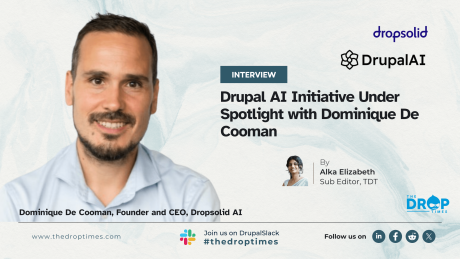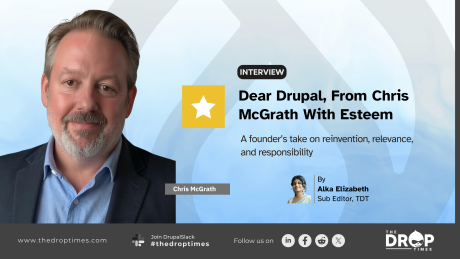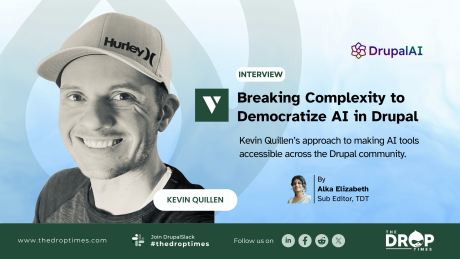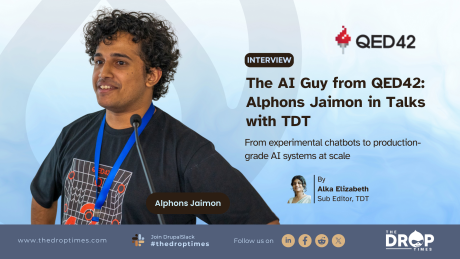
Existing Drupal AI installations face different migration paths as bundled features become independent projects. The next minor release makes those distinctions particularly important.
Technical progress only solves part of Drupal's problem if outside perceptions remain fixed on older versions. Rotterdam shifts attention to who can reach today's capabilities and who hears about them.
...more
An AI feature can work on its own and still leave an important question unanswered: what happens when several of them have to work together on real content?
...more
AI agents can act on stale or unreviewed knowledge as readily as trusted information. OpenKnowledgebase applies Drupal's existing governance controls to the problem of deciding what agents and people can rely on.
...more
Drupal teams combining AI with ECA now have a stable integration that brings AI operations, model assistance, and provider controls into automated workflows.
...more
Disruption looks different when a team chooses it than when circumstances force it. Either way, the ability to carry change depends on more than technical decisions.
...more
A CMS serving AI agents needs to expose more than content. The harder question is how Drupal can make useful actions available without giving up permissions, context, and control.
...more
A page can make perfect sense to a person while leaving an AI system uncertain about what is current, authoritative, or safe to use. Will Huggins argues that Drupal's structured content and access controls can narrow that gap.
...more
Maintainers of patch-heavy Drupal sites can spend significant time checking module compatibility and whether existing fixes still apply. Drupal-Code-Query now exposes several of those checks to LLM agents and direct API clients.
...more