



Talking Drupal Episode Explores MOSA’s Role in Sustaining Drupal Community Infrastructure

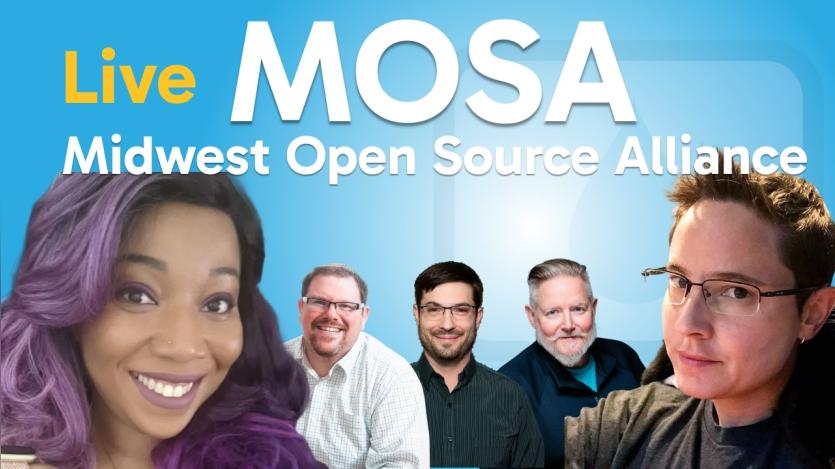
Regional community infrastructure, nonprofit coordination, and long-term sustainability formed the central focus of Talking Drupal episode 552, which featured April Sides and Tearyne Almendariz discussing the work of the Midwest Open Source Alliance (MOSA). The discussion examined how MOSA provides fiscal sponsorship and operational support for Drupal camps, contributor initiatives, and regional community programs across the open source ecosystem.
MOSA emerged after the Drupal Association discontinued its fiscal sponsorship program in 2018, creating a gap for Drupal camps and community initiatives that required nonprofit infrastructure for handling finances, insurance, and event administration. During the episode, the guests explained that MOSA was initially established by organisers associated with MidCamp and other Drupal events as a way to collectively manage those operational requirements without forcing each individual camp or initiative to create and maintain a separate nonprofit organisation.
The conversation explored what fiscal sponsorship means in practice for Drupal events and community groups. MOSA provides member organisations with access to nonprofit banking infrastructure, financial oversight, insurance support, accounting services, and operational tooling while allowing local organisers to retain autonomy over their own events and initiatives. The discussion highlighted how this model helps volunteer-led Drupal camps focus on programming and community engagement rather than legal administration, tax management, and financial compliance.
Sides and Almendariz also discussed MOSA’s recent expansion beyond its original Midwest focus. The organisation now supports a range of Drupal camps and initiatives including MidCamp, New England Drupal Camp, Pacific Northwest Drupal Summit, Drupal Recording Initiative, Ally Talks, and Black in Drupal. The guests described MOSA’s growth as intentionally gradual, emphasising governance, documentation, and operational stability before rapid expansion.
The episode additionally examined how MOSA is developing shared operational resources for community organisers. Topics included collaborative sponsorship models, shared service infrastructure, community tooling, governance committees, onboarding processes, and long-term roadmap planning. Almendariz described the organisation’s broader objective as creating sustainable support structures that allow smaller Drupal communities and regional user groups to continue operating without needing to independently manage nonprofit administration.
The Module of the Week segment featured Canvas Field Component, a Drupal module created by Martin Anderson-Clutz for use with Drupal Canvas templates. The module allows Drupal-rendered fields to be placed directly into Canvas template layouts through a “Field display” component option, enabling site builders to use existing Drupal field formatters and display settings inside Canvas workflows.
According to the discussion, the module addresses gaps in Drupal Canvas field mapping capabilities by exposing formatter configuration options directly within Canvas templates. The episode also included discussion about AI-assisted development workflows, automated testing generation, and maintainability considerations associated with “vibe coding” approaches used during the module’s development.
The full episode, including the MOSA discussion and Canvas Field Component segment, is available on the Talking Drupal website and podcast channels.

ASK: Drupal Community Needs Your Support
View all →
Disclosure: This content is produced with the assistance of AI.
Disclaimer: The opinions expressed in this story do not necessarily represent that of TheDropTimes. We regularly share third-party blog posts that feature Drupal in good faith. TDT recommends Reader's discretion while consuming such content, as the veracity/authenticity of the story depends on the blogger and their motives.
Note: The vision of this web portal is to help promote news and stories around the Drupal community and promote and celebrate the people and organizations in the community. We strive to create and distribute our content based on these content policy. If you see any omission/variation on this please reach out to us at #thedroptimes channel on Drupal Slack and we will try to address the issue as best we can.

Related Organizations
Related People


You may also like