


Navigating Multilingual Content Migration with Drupal

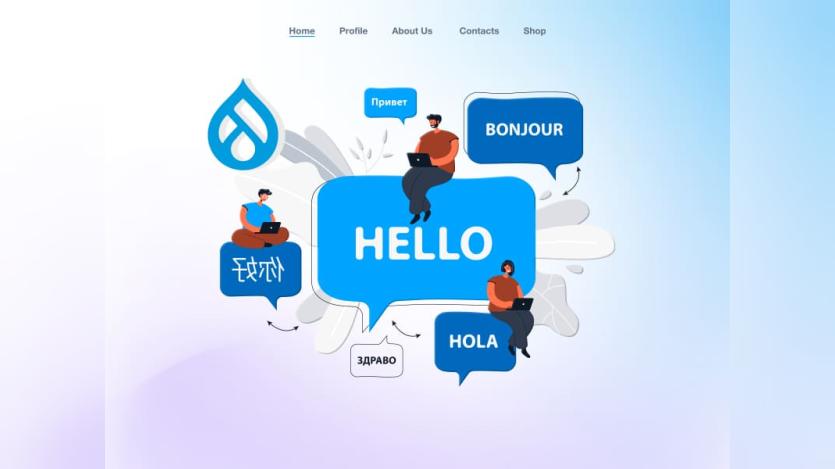
Transfer Website has formulated a comprehensive guide for preserving multilingual content during Drupal migration. Multilingual content has emerged as a crucial factor in resonating with international users and fostering inclusivity. Drupal, a prominent content management system, stands out for its exceptional multilingual support, enabling businesses to communicate effectively with audiences in various languages.
The article suggests Drupal's this feature is driven by several compelling reasons. Firstly, businesses seeking a global reach can connect with diverse audiences, enhancing user engagement and loyalty. Secondly, multilingual content offers distinct SEO advantages, boosting visibility in local search results and driving organic traffic from multiple sources. Additionally, Drupal's ability to adapt content based on cultural nuances ensures messages resonate effectively across different regions. Drupal's native multilingual capabilities provide a seamless solution, improving user engagement, conversion rates, and revenue potential.
However, migrating a multilingual Drupal website is not without challenges. The intricate task requires addressing various complexities to maintain the content's integrity, usability, and SEO value post-migration. Key hurdles include consistency maintenance across language versions, careful management of translation files, adapting configurations and settings for each language, preserving customized URL patterns, managing field-level translation, and addressing compatibility between multilingual modules. Overcoming these challenges demands a meticulous migration plan, extensive testing, and a focus on maintaining a seamless user experience.
One must execute a comprehensive strategy to facilitate a successful migration. The process begins with auditing the existing multilingual setup, assessing content inventory, module compatibility, and URL structures. Choosing suitable migration tools, ensuring database support for character encoding and field structures, and migrating base content in the primary language form the foundational steps. Migrating translation files, managing URL aliases and redirects, updating configurations, and rigorous testing are pivotal to ensuring content consistency, SEO integrity, and user experience. Active engagement with the Drupal community can also prove invaluable, offering shared knowledge, specialized modules, and collaborative problem-solving.
For a detailed read, kindly go through the blog post.

ASK: Drupal Community Needs Your Support
View all →
Disclaimer: The opinions expressed in this story do not necessarily represent that of TheDropTimes. We regularly share third-party blog posts that feature Drupal in good faith. TDT recommends Reader's discretion while consuming such content, as the veracity/authenticity of the story depends on the blogger and their motives.
Note: The vision of this web portal is to help promote news and stories around the Drupal community and promote and celebrate the people and organizations in the community. We strive to create and distribute our content based on these content policy. If you see any omission/variation on this please reach out to us at #thedroptimes channel on Drupal Slack and we will try to address the issue as best we can.

You may also like