


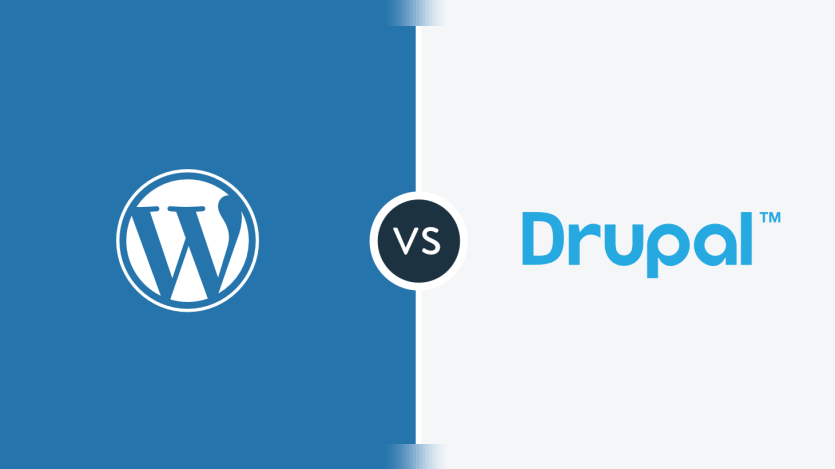
Drupal vs. WordPress: Choosing the Right CMS

In the quest for online success, the ability to rank a website in search engines is now a necessity. A key strategy for achieving this is using blogs, and to simplify and manage them effectively, Content Management Systems (CMS) come into play.
Itop Consulting shared a blog post titled “Drupal and WordPress: Differences and Similarities Between These CMSs.” In this post, originally written in Spanish, readers can gain valuable insights into the distinctions and commonalities between Drupal and WordPress, helping them make informed choices for their digital projects.
Drupal and WordPress stand out as two of the most widely used CMSs in web development. Both offer a straightforward and efficient way to create and manage websites. However, they diverge significantly in structure, flexibility, user community, and ease of use.
Drupal, known for its deep customisation and robust security, excels in handling complex web projects. On the other hand, WordPress is the go-to choice for those seeking simplicity, speed, and user-friendliness in managing straightforward websites.
The selection of the CMS depends on each project's unique needs and goals, as well as the user's technical proficiency. Both platforms bring valuable features to the table. Armed with the right information, you can make the optimal decision to achieve success in your online presence.
Readers are encouraged to dive into the full blog post for a more in-depth understanding of these CMS options and their suitability for various projects.

ASK: Drupal Community Needs Your Support
View all →
Disclaimer: The opinions expressed in this story do not necessarily represent that of TheDropTimes. We regularly share third-party blog posts that feature Drupal in good faith. TDT recommends Reader's discretion while consuming such content, as the veracity/authenticity of the story depends on the blogger and their motives.
Note: The vision of this web portal is to help promote news and stories around the Drupal community and promote and celebrate the people and organizations in the community. We strive to create and distribute our content based on these content policy. If you see any omission/variation on this please reach out to us at #thedroptimes channel on Drupal Slack and we will try to address the issue as best we can.

Related Organizations