



Drupal vs WordPress: Comprehensive Enterprise CMS Comparison

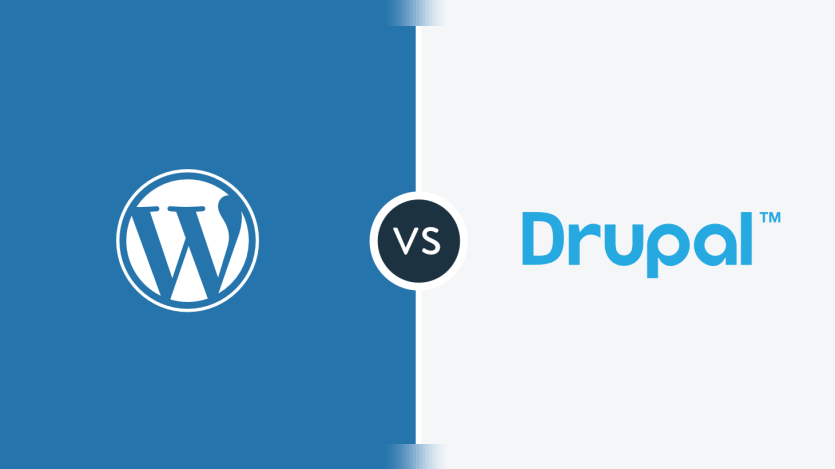
RTCamp's blog post, "Drupal vs WordPress: An In-depth Comparison for Enterprise Websites," explores the pros and cons of Drupal and WordPress as CMS options for enterprises. Both platforms are open-source, feature-rich, and customizable but cater to different user needs and technical expertise levels.
With its modular and complex software design, Drupal offers granular control over content types and user roles, making it ideal for technically proficient teams. In contrast, WordPress is known for its user-friendly, plug-and-play design, extensive plugin library, and robust theme options, which make it accessible to a broader audience. WordPress also excels in editorial experience with the Gutenberg block editor and full site editing, providing a more intuitive and flexible interface than Drupal’s CKEditor.
Performance-wise, Drupal relies on built-in caching, while WordPress uses external plugins. Both CMS platforms support headless configurations, multilingual capabilities, and multisite functionality, but WordPress's ease of use and cost-effectiveness often make it a preferred choice for enterprises looking to optimize SEO, scalability, and security. Ultimately, the decision between Drupal and WordPress depends on an enterprise’s specific needs, technical expertise, and long-term goals.
ASK: Drupal Community Needs Your Support
View all →
Disclosure: This content is produced with the assistance of AI.
Disclaimer: The opinions expressed in this story do not necessarily represent that of TheDropTimes. We regularly share third-party blog posts that feature Drupal in good faith. TDT recommends Reader's discretion while consuming such content, as the veracity/authenticity of the story depends on the blogger and their motives.
Note: The vision of this web portal is to help promote news and stories around the Drupal community and promote and celebrate the people and organizations in the community. We strive to create and distribute our content based on these content policy. If you see any omission/variation on this please reach out to us at #thedroptimes channel on Drupal Slack and we will try to address the issue as best we can.

You may also like