



Dries Buytaert Weighs In on “Open Source” vs. “Source Available” Debate


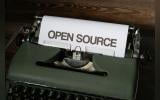
Dries Buytaert responds to the recent clash between Ruby on Rails creator David Heinemeier Hansson and WordPress co-founder Matt Mullenweg over what qualifies as open source, framing it as a familiar and deeper issue of sustainability in open source ecosystems.
The debate began after DHH released Fizzy under the O'Saasy license, which restricts competing SaaS offerings. Despite community pushback, he insisted that open source simply means open code. Mullenweg rebutted that the Open Source Initiative’s definition exists for a reason and can’t be disregarded for convenience. Dries agrees with Mullenweg that words matter, but urges that more attention be paid to the underlying tension: how projects stay sustainable when companies profit from open source but contribute little in return.
He notes that while WordPress is bound to the GPL, DHH is free to experiment with alternative licenses for new projects. In Drupal, the community has tried solutions like contribution credits and targeted incentives, but the imbalance remains. Dries argues that “source available” is a more accurate label for Fizzy its source is visible and modifiable, but commercial rights are reserved. That’s a defensible business model, he says, but not open source.
Dries concludes that the real challenge is not policing terminology, but asking how we encourage sustainable, reciprocal engagement. Questions like how to distinguish between companies that can't contribute versus those that won't, and what incentives actually work, deserve more focus than rhetorical disputes. He sees value in licenses like O'Saasy if they provoke better answers to those long-standing questions.

ASK: Drupal Community Needs Your Support
View all →
Disclosure: This content is produced with the assistance of AI.
Disclaimer: The opinions expressed in this story do not necessarily represent that of TheDropTimes. We regularly share third-party blog posts that feature Drupal in good faith. TDT recommends Reader's discretion while consuming such content, as the veracity/authenticity of the story depends on the blogger and their motives.
Note: The vision of this web portal is to help promote news and stories around the Drupal community and promote and celebrate the people and organizations in the community. We strive to create and distribute our content based on these content policy. If you see any omission/variation on this please reach out to us at #thedroptimes channel on Drupal Slack and we will try to address the issue as best we can.

Related People


You may also like