


Bert Boerland Makes Drupal Sustainability the Focus of Board Candidacy

Longtime Drupal community organiser Bert Boerland says his candidacy for the Drupal Association Board is shaped by a recurring concern: how Drupal can grow without weakening the open-source structures that keep the project independent.
In written answers to The DropTimes’ Allen Jason, Bert connects questions about agentic AI, digital sovereignty, public-sector procurement, local associations, and contributor support to work he says he has already helped build, including DrupalJam, the Splash Awards, and Stichting Drupal Nederland. Earlier TDT interviews have covered his wider Drupal journey with Alethia Rose Braganza and the beginning and growth of the Splash Awards with Drupal community contributor Esmeralda Braad-Tijhoff. His answers in this interview argue for a broader contribution base, clearer public-affairs language, support for junior and hobbyist entry points, and infrastructure reforms that reduce the Association’s dependence on a narrow set of funders and maintainers.
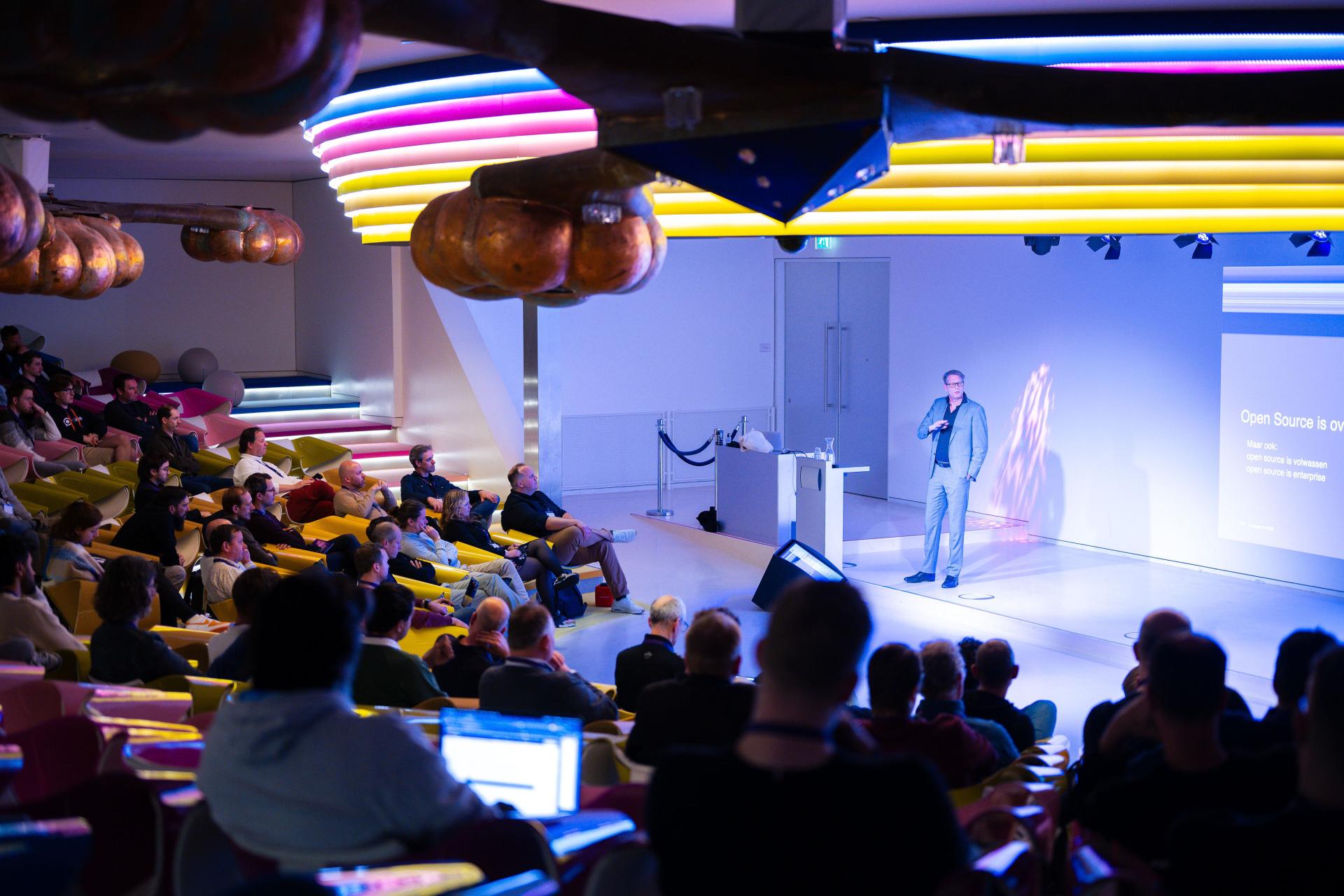
This interview is part of The DropTimes’ series with candidates for the at-large seat on the Drupal Association Board. The DropTimes sent each candidate five common questions and two candidate-specific questions to help readers compare their priorities, experience, and approach to the Association’s role.
Interviews in this series are being published as candidates return their completed responses.
TDT [1]: As AI-assisted and agentic site-building grows, what role should the Drupal Association play in protecting Drupal’s open-source values, data privacy, maintainer well-being, and freedom from vendor lock-in?
Bert Boerland: Drupal has been here before, once, as the CMS wars, when writing to the license instead of a vendor's roadmap is what kept the project independent. The Association's job now is to make sure agentic AI tools write to Drupal's APIs and license the same way, so no vendor becomes the toll booth between a site owner and their own content, and to insist that any time AI saves on maintainer triage gets reinvested in people, not cut, with real transparency defaults on what data leaves a site.
TDT [2]: Drupal benefits from enterprise users, agencies, and public institutions, but contributions are still uneven. What should the Drupal Association do to turn more of that use into visible support through developer time, code, documentation, infrastructure, or funding?
Bert Boerland: I turned one Kubernetes deal into a multi-year strategic platform relationship by giving credit a structure to attach to, and that experience taught me uneven contribution usually isn't unwillingness, it's a missing structure. The Association should build that structure once, a standard contribution menu, developer time, docs, infrastructure, or funding, that public institutions can cite directly in their own tenders, turning every unpaid enterprise user into a sponsor who just needs the paperwork.
TDT [3]: How should the Drupal Association balance investment in enterprise tooling with simpler entry points for junior developers, hobbyists, and new site builders?
Bert Boerland: I started on drop.org as a hobbyist with a domain name and some free time, and that path from tinkerer to advocate is my own history. Protecting that same path for the next generation means funding starter kits and recipes with the same seriousness as enterprise APIs, because today's hobbyist tinkering after dinner is tomorrow's architect defending Drupal in a boardroom.
TDT [4]: If digital sovereignty is increasingly defined through national ownership, where does that leave a global open-source project like Drupal? How should the Drupal Association argue that distributed international stewardship can offer a credible form of sovereignty?
Bert Boerland: This past year, I have worked on EU Cloud Sovereignty Framework conversations directly, and I have written about Drupal's three unsolved problems: sovereignty, governance, and cost. Going forward, the Association needs to make the case to the same buyers currently being told sovereignty means domestic servers, that distributed international stewardship under a transparent license is the stronger guarantee, because no single government or vendor can revoke it, and Drupal deserves a seat at that table.
TDT [5]: How should the Drupal Association strengthen local associations, camps, awards, and regional communities while remaining a global umbrella for the project?
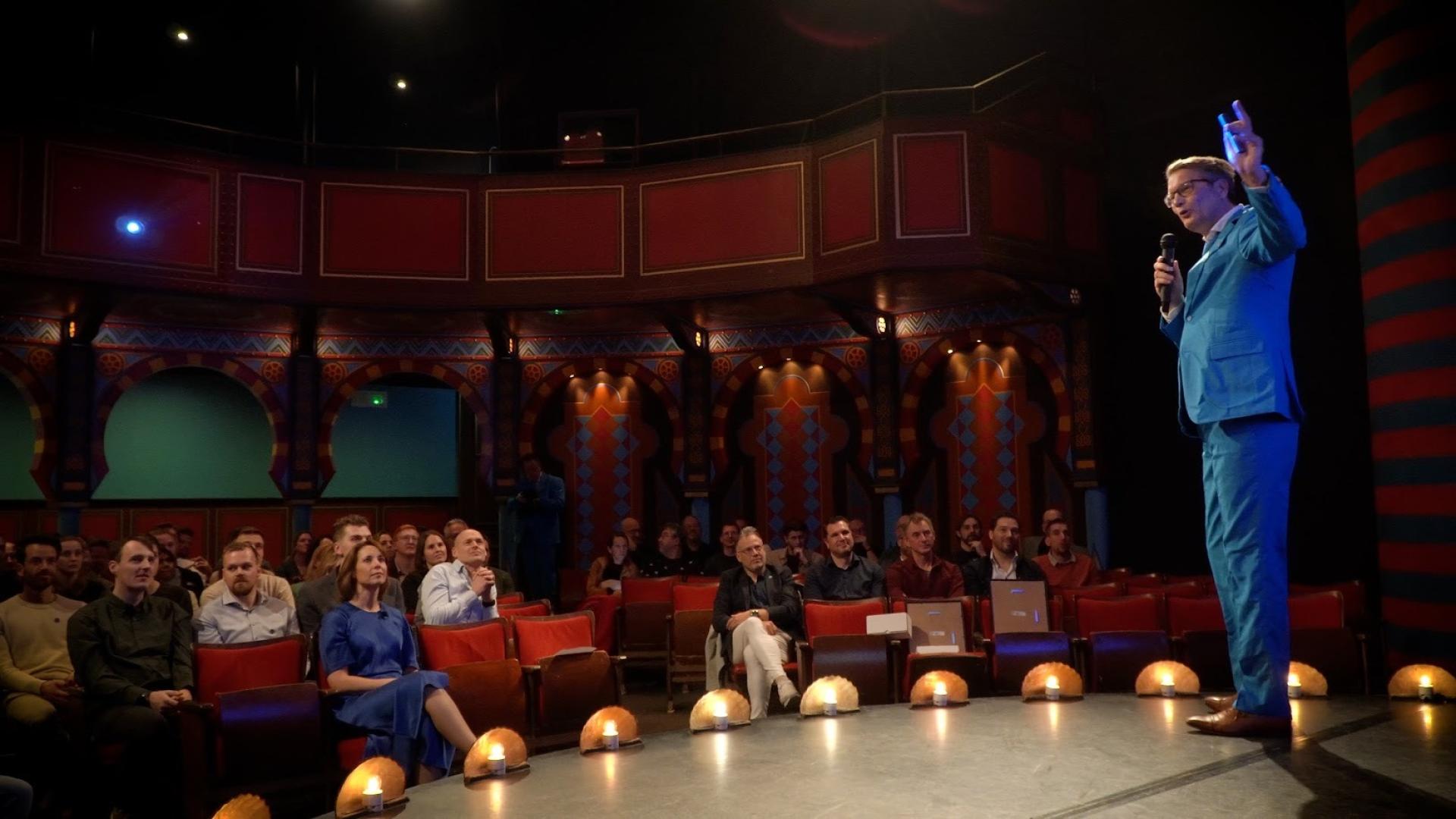
Bert Boerland: DrupalJam started with 40 people and pizza in a basement and grew into a 400-plus-person industry event, and the Splash Awards grew from one event into something replicated across dozens of countries, each edition keeping its own local identity. I am already in good contact with several stakeholders working toward a stronger umbrella structure, and the future task is to give local associations that same lightweight fiscal and branding base while leaving room for their own couleur locale, so the ecosystem is reflected as the richer, more varied thing it actually is.
TDT [6]: What policy, grant, procurement, or public-affairs strategies should the Drupal Association pursue to make Drupal more visible to governments, foundations, and institutional funders?
Bert Boerland: Turning long-standing account relationships into cited references is something I already do in sales conversations every day. The Association should build that same muscle publicly, public-affairs language that speaks the vocabulary procurement officers already read, a reference package institutions can point to in their own tenders, and a small, consistent grant strategy targeting digital public infrastructure funds already backing open source elsewhere, so Drupal is in that conversation early, not discovered late.
TDT [7]: If elected to represent the community on the board, what is the single most important, measurable outcome you intend to deliver by the end of your term, and what specific metrics do you want the community to use to evaluate your success?
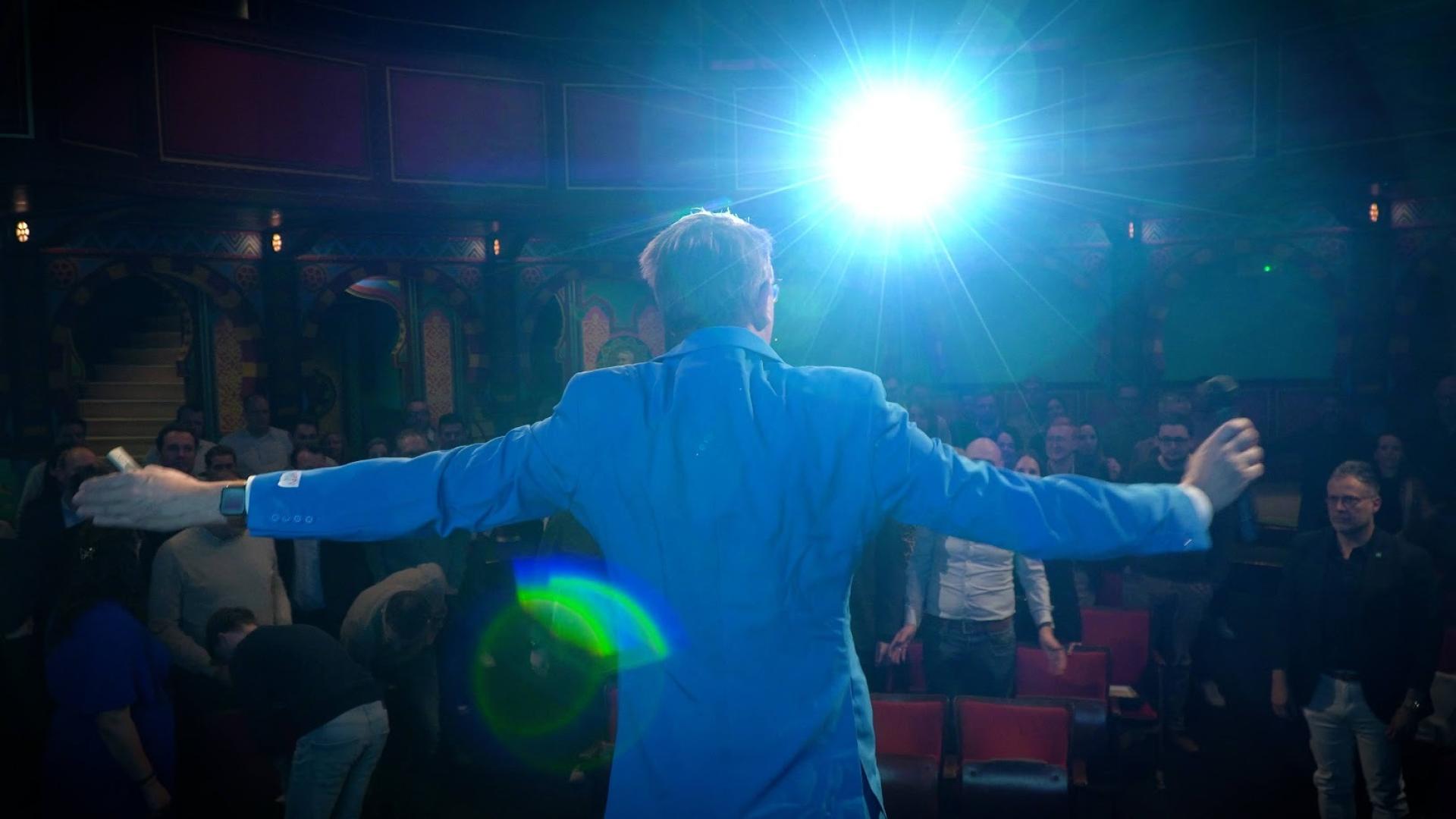
Bert Boerland: My history is full of things I built to outlast me, DrupalJam, the Splash Awards, Stichting Drupal Nederland, none of them designed around me staying indispensable. I want to leave the Drupal Association the same way: measurably more sustainable than I found it, and in a stronger position to support the project than it is today, financially and on every other front. Financially, that means a broader, more diversified base of enterprise and public sector contributors rather than dependence on a narrow set of sponsors. On the other fronts, it means real progress on the infrastructure and governance load, through steps like FAIR that spread the burden more evenly instead of concentrating it on a handful of people. The metric the community should hold me to is concrete: more funding sources, more contributing organizations, and a lighter single point of failure in the Association's infrastructure at the end of my term than at the start. If that comparison doesn't show clear improvement, I'll call it a miss, regardless of anything else I point to.
 Allen JasonAllen without organs
Image Attribution Disclaimer: At The Drop Times (TDT), we are committed to properly crediting photographers whose images appear in our content. Many of the images we use come from event organizers, interviewees, or publicly shared galleries under CC BY-SA licenses. However, some images may come from personal collections where metadata is lost, making proper attribution challenging.
Our purpose in using these images is to highlight Drupal, its events, and its contributors—not for commercial gain. If you recognize an image on our platform that is uncredited or incorrectly attributed, we encourage you to reach out to us at #thedroptimes channel on Drupal Slack.
We value the work of visual storytellers and appreciate your help in ensuring fair attribution. Thank you for supporting open-source collaboration!


ASK: Drupal Community Needs Your Support
View all →

Disclaimer: The information provided about the interviewee has been gathered from publicly available resources. The responsibility for the responses shared in the interview solely rests with the featured individual.
Note: The vision of this web portal is to help promote news and stories around the Drupal community and promote and celebrate the people and organizations in the community. We strive to create and distribute our content based on these content policy. If you see any omission/variation on this please reach out to us at #thedroptimes channel on Drupal Slack and we will try to address the issue as best we can.
Related Organizations

Related People
You may also like