



rtCamp Compares Enterprise AI Strategies in WordPress and Drupal

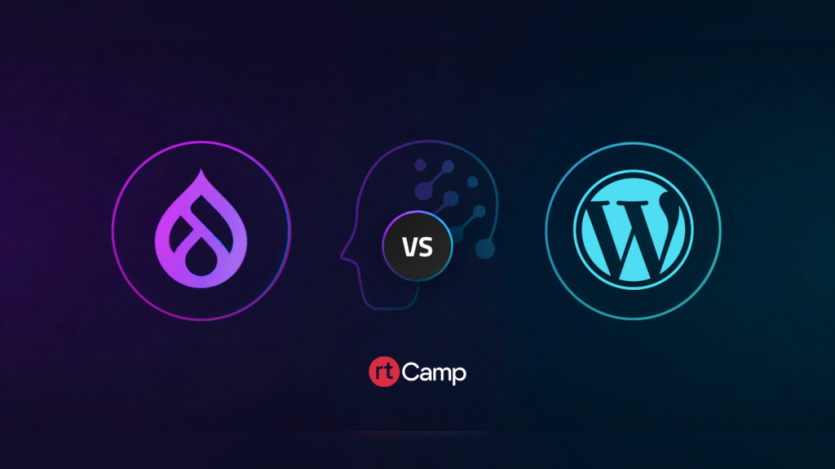
Enterprise CMS evaluations are increasingly factoring in how platforms integrate AI tooling, according to a comparative analysis published by rtCamp. The article examines how WordPress and Drupal are approaching AI adoption across architecture, governance, provider support, enterprise deployments, and developer ecosystems while framing AI infrastructure and operational control as long-term enterprise concerns.
The comparison describes WordPress 7.0 as extending AI support through its provider-agnostic AI Client, Abilities API, and MCP Adapter, allowing plugins and themes to expose machine-readable capabilities to external AI systems. In contrast, Drupal CMS 2.0 is presented as placing greater emphasis on built-in tooling, including Canvas AI, AI-assisted alt text generation, governance controls, and structured workflow systems through the Drupal AI Initiative. The article also contrasts governance approaches, noting Drupal’s emphasis on configurable guardrails and observability tooling alongside WordPress’s permissions-based API architecture.
rtCamp supports comparisons with enterprise deployment examples from both ecosystems while arguing that WordPress currently holds advantages in ecosystem-scale adoption, developer availability, and AI capability exposure through its core infrastructure. The article is written from the perspective of a company actively contributing to WordPress AI tooling and enterprise services, meaning portions of the comparison remain interpretive rather than independently benchmarked across equivalent enterprise environments.
Reference: AI Is Reshaping CMS Decisions – How Drupal and WordPress Stack Up for Enterprises (18 May 2026)

ASK: Drupal Community Needs Your Support
View all →
Disclosure: This content is produced with the assistance of AI.
Disclaimer: The opinions expressed in this story do not necessarily represent that of TheDropTimes. We regularly share third-party blog posts that feature Drupal in good faith. TDT recommends Reader's discretion while consuming such content, as the veracity/authenticity of the story depends on the blogger and their motives.
Note: The vision of this web portal is to help promote news and stories around the Drupal community and promote and celebrate the people and organizations in the community. We strive to create and distribute our content based on these content policy. If you see any omission/variation on this please reach out to us at #thedroptimes channel on Drupal Slack and we will try to address the issue as best we can.