

Dream Baggage Replaces Spreadsheet Logistics Workflow With Drupal Platform

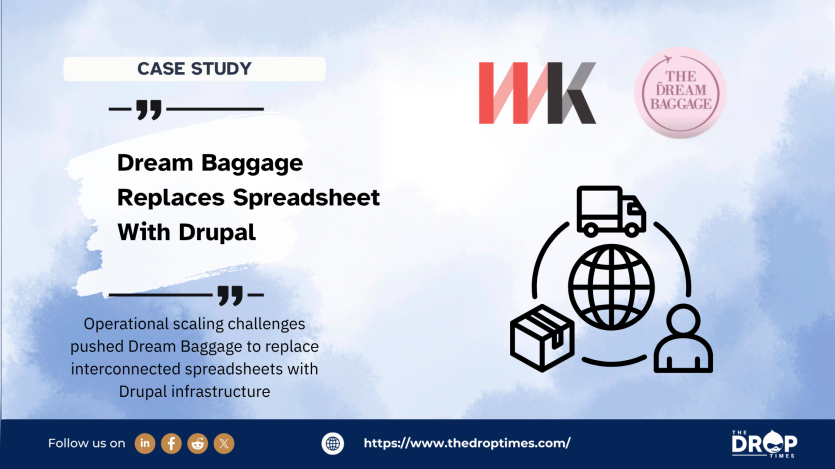
Growing package volumes and operational complexity led logistics company Dream Baggage to replace its spreadsheet-based package management process with a Drupal platform developed by weKnow Inc.. The migration replaced a workflow built around emailed Excel files with a structured web-based system designed to support role-based operations, package tracking, and customer-facing shipment visibility.
According to a published case study, Dream Baggage previously relied on customers submitting package information via spreadsheet attachments emailed to the company’s Miami warehouse operations. As the customer base expanded beyond 600 users and monthly package volumes increased into the thousands, the workflow became difficult to manage because package intake, updates, and operational coordination depended heavily on manual processing.
The Drupal implementation introduced direct package submission via a web interface, replacing spreadsheet uploads and reducing repetitive data entry. The platform also added separate operational views for customers, warehouse staff, and administrators, allowing package status updates and workflow visibility to be managed through role-based access controls rather than manual coordination. Customers can now track shipment status directly through the platform instead of contacting support teams for updates.
The case study states that the migration reduced customer service inquiries by 40%. It also describes the platform as a scalable operational foundation that allows additional users, package types, and warehouse locations to be introduced through configuration changes rather than rebuilding core workflows. Drupal’s content modelling and permissions systems were identified as central to structuring the platform’s operational logic.
Matías Vessuri, Delivery Manager at weKnow Inc., said the company was initially surprised by the extent to which Dream Baggage depended on interconnected spreadsheets to manage logistics operations. According to the case study, the client ultimately concluded that a dedicated web platform was necessary to support continued operational growth.
ASK: Drupal Community Needs Your Support
View all →
Note: The vision of this web portal is to help promote news and stories around the Drupal community and promote and celebrate the people and organizations in the community. We strive to create and distribute our content based on these content policy. If you see any omission/variation on this please reach out to us at #thedroptimes channel on Drupal Slack and we will try to address the issue as best we can.

Related Organizations

You may also like