



How to Optimally Use Xray Audit for Websites


Metadrop has published an article that discusses the importance of understanding a website's structure and data, and how a data X-ray audit can help in achieving this goal. According to Metadrop, a data X-ray audit is a method of analyzing a website's code and data to gain insights into its structure and performance.
The article outlines the key benefits of conducting a data X-ray audit, which include identifying potential performance issues, understanding how data is structured and used on the site, and uncovering hidden or outdated functionality. The audit can also reveal any security vulnerabilities that may exist and provide recommendations for addressing them.
The blog post provides a detailed explanation of how the audit process works, including the use of specialized software tools to analyze the site's code and data. The article also outlines the different types of data that can be analyzed during the audit, including site structure, content, metadata, and user behavior data.
The importance of regular data X-ray audits to ensure a website is functioning optimally and to identify any issues that may arise. The audit process can provide valuable insights into a site's performance, user behavior, and data structure, which can inform ongoing website development and optimization efforts.
The benefits of conducting a data X-ray audit to gain a deeper understanding of a website's structure and data is also emphasized. By regularly conducting these audits, organizations can identify and address any issues that may be impacting site performance and user experience, ensuring that the site is functioning optimally and meeting the needs of its users. Click here to read the blog post published by Metadrop.
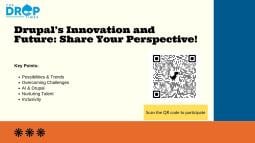
ASK: Drupal Community Needs Your Support
View all →
Disclaimer: The opinions expressed in this story do not necessarily represent that of TheDropTimes. We regularly share third-party blog posts that feature Drupal in good faith. TDT recommends Reader's discretion while consuming such content, as the veracity/authenticity of the story depends on the blogger and their motives.
Note: The vision of this web portal is to help promote news and stories around the Drupal community and promote and celebrate the people and organizations in the community. We strive to create and distribute our content based on these content policy. If you see any omission/variation on this please reach out to us at #thedroptimes channel on Drupal Slack and we will try to address the issue as best we can.

Related Organizations

You may also like