



Understanding Headless CMS: Benefits, Challenges, and When to Use It

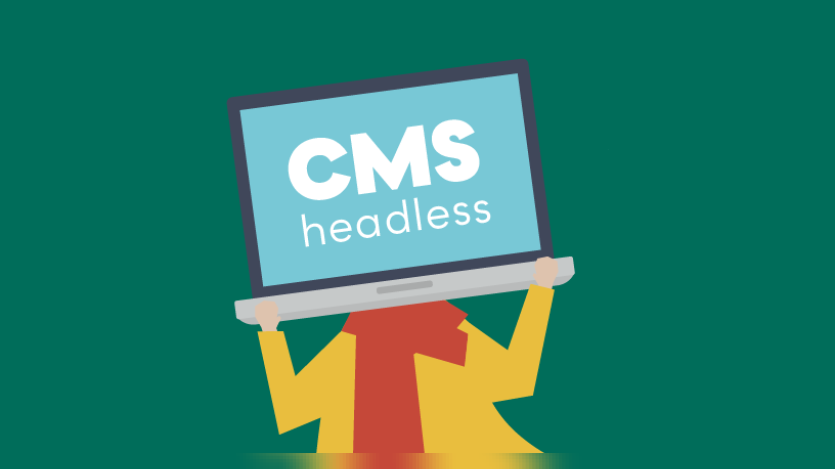
Viget's recent blog post "What is a Headless CMS and When Should I Use One?" by Max Myers explores the benefits and challenges of headless CMS, helping businesses decide when to choose it over a traditional CMS. Traditional CMSs like WordPress and Drupal offer integrated content creation, management, and delivery tools but can be restrictive due to their monolithic nature. In contrast, a headless CMS decouples the backend from the frontend, allowing developers to use any technology stack for the presentation layer. This separation enables flexibility in content delivery across multiple platforms such as websites, mobile apps, and IoT devices, and allows for scalable and agile development.
It can also enhance security through API-based communication and reduce maintenance with cloud-based solutions like Strapi Cloud. However, headless CMSs may introduce complexity and are not always necessary for every project. The choice between a traditional and headless CMS should be based on the specific needs, long-term goals, and technical expertise of the team involved in the project.
ASK: Drupal Community Needs Your Support
View all →
Disclosure: This content is produced with the assistance of AI.
Disclaimer: The opinions expressed in this story do not necessarily represent that of TheDropTimes. We regularly share third-party blog posts that feature Drupal in good faith. TDT recommends Reader's discretion while consuming such content, as the veracity/authenticity of the story depends on the blogger and their motives.
Note: The vision of this web portal is to help promote news and stories around the Drupal community and promote and celebrate the people and organizations in the community. We strive to create and distribute our content based on these content policy. If you see any omission/variation on this please reach out to us at #thedroptimes channel on Drupal Slack and we will try to address the issue as best we can.

Related Organizations

You may also like