



WordPress vs Drupal: Evaluating Long-Term Architecture, Security, and Scalability

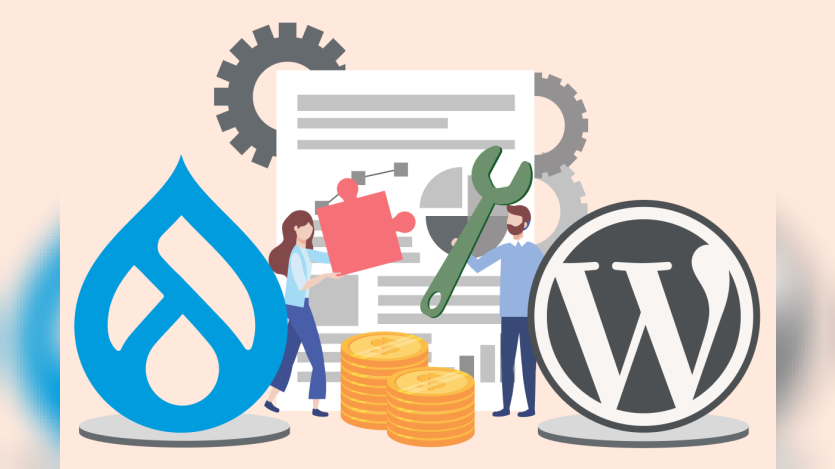
Questions about migrating from WordPress to Drupal often centre on one concern: whether familiar tools and workflows will translate without disruption. In a recent comparison, Grzegorz Bartman of Droptica examines five commonly used WordPress tools and maps them to their Drupal equivalents, arguing that the conceptual gap between the platforms is narrower than many assume.
The article compares Custom Post Types with Drupal entities, ACF with the Fields API, WP Query with the Views module, WP Forms with the Webform module, and Elementor with Drupal’s range of page-building options. Rather than framing Drupal as a replacement layer built through plugins, the piece highlights that many comparable capabilities are included in core or supported by widely adopted modules.
Particular emphasis is placed on Drupal’s entity architecture, configuration management, and structured data handling. The comparison notes that while WordPress often relies on separate plugins for advanced functionality, Drupal integrates content modelling, query building, and layout tools more tightly into the system’s foundation.
Security, long-term maintainability, and scalability are presented as differentiators, especially for projects expected to evolve over several years. At the same time, the article acknowledges that WordPress may remain a practical option for simpler sites with limited growth requirements.
The broader takeaway is not that migration is universally necessary, but that teams familiar with WordPress concepts may find Drupal’s structure recognisable, albeit more opinionated in its architectural approach.
ASK: Drupal Community Needs Your Support
View all →
Disclosure: This content is produced with the assistance of AI.
Disclaimer: The opinions expressed in this story do not necessarily represent that of TheDropTimes. We regularly share third-party blog posts that feature Drupal in good faith. TDT recommends Reader's discretion while consuming such content, as the veracity/authenticity of the story depends on the blogger and their motives.
Note: The vision of this web portal is to help promote news and stories around the Drupal community and promote and celebrate the people and organizations in the community. We strive to create and distribute our content based on these content policy. If you see any omission/variation on this please reach out to us at #thedroptimes channel on Drupal Slack and we will try to address the issue as best we can.
Related Organizations

Related People


You may also like