


Drupal 10 End of Life Positions Upgrade to Drupal 11 as Architectural Reset

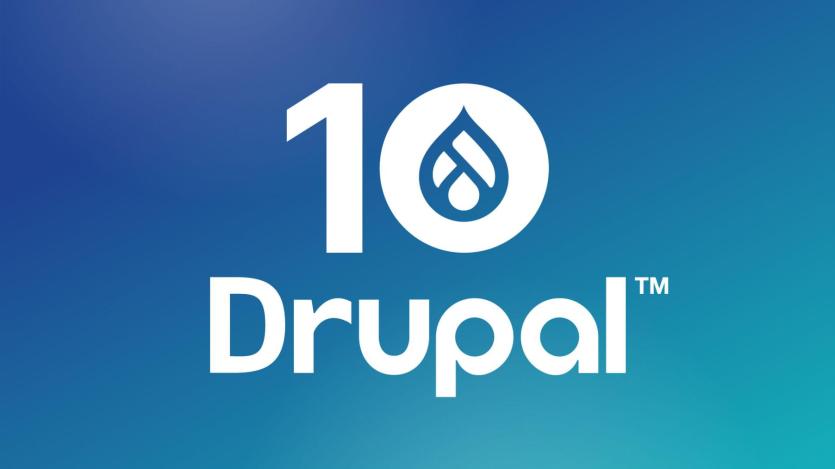
Treating Drupal 10’s end of life as a routine upgrade risks overlooking its architectural implications. In an article published by Drupal Odyssey, Ron Ferguson argues that the move to Drupal 11 should be used to review custom code, remove unnecessary dependencies, and reduce long-term maintenance risk.
The article notes that Drupal 10 reaches end of life on 9 December 2026, after which it will no longer receive security support. Because Drupal 10 runs on Symfony 6.4, the discussion also points to dependency-level risk in addition to the CMS upgrade itself. For organisations operating under audit, compliance, or cyber insurance requirements, the issue extends beyond version currency to unsupported infrastructure.
Ferguson proposes an architectural audit during the Drupal 11 transition, with emphasis on removing custom modules and older workarounds that are no longer necessary. As more functionality moves into core, carrying legacy implementations forward can increase maintenance effort and make later upgrades harder. The article presents the upgrade as a chance to shrink the codebase rather than preserve it unchanged.
The piece also highlights practical upgrade factors beyond PHP code changes, including dependency conflicts, hosting requirements, and front-end adjustments such as jQuery 4 compatibility. It points to upgrade tooling such as Upgrade Status and Drupal Rector, while also noting infrastructure requirements that may turn the migration into a broader platform update. In that framing, the transition to Drupal 11 becomes both a technical and operational planning exercise, with implications for budget, timing, and future maintainability.
ASK: Drupal Community Needs Your Support
View all →
Disclosure: This content is produced with the assistance of AI.
Disclaimer: The opinions expressed in this story do not necessarily represent that of TheDropTimes. We regularly share third-party blog posts that feature Drupal in good faith. TDT recommends Reader's discretion while consuming such content, as the veracity/authenticity of the story depends on the blogger and their motives.
Note: The vision of this web portal is to help promote news and stories around the Drupal community and promote and celebrate the people and organizations in the community. We strive to create and distribute our content based on these content policy. If you see any omission/variation on this please reach out to us at #thedroptimes channel on Drupal Slack and we will try to address the issue as best we can.
Related People


You may also like