



Best Practices for Building Multilingual Sites in Drupal

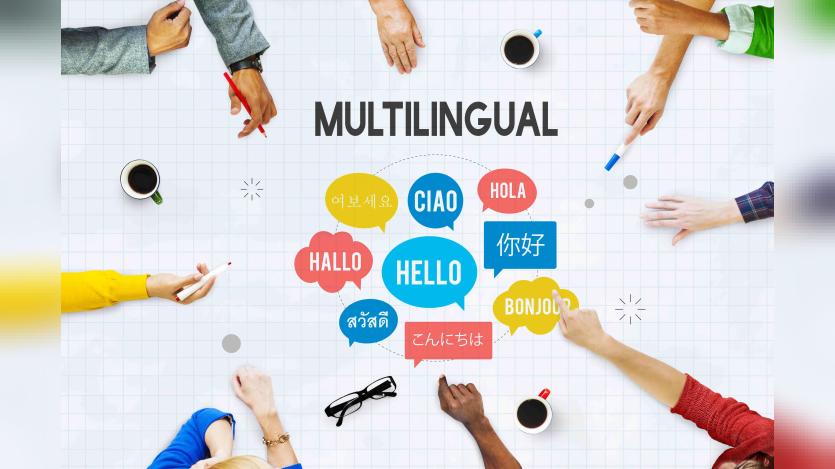
Drupal’s multilingual capabilities provide developers with essential tools for building sites that cater to diverse audiences, as outlined in a blog post published by Joshi Consultancy. The article details Drupal’s core multilingual modules—Language, Content Translation, and Configuration Translation—which enable seamless language integration. A strategic approach is recommended, starting with identifying necessary languages, planning site architecture, and implementing fallback options. Best practices include setting up language detection mechanisms based on user location or preferences, ensuring content relevance in different languages, and maintaining consistency across site elements.
Common pitfalls such as untranslated content and inconsistent layouts can disrupt user experience, emphasizing the need for rigorous translation management. Comprehensive testing, including both automated and manual reviews, ensures functionality across languages. Ongoing maintenance is crucial, requiring regular translation updates and software upgrades to align with evolving language nuances and security improvements. Engaging audiences through localization, incorporating cultural elements, and tracking site performance through analytics help optimize multilingual site success. The article underscores that developers can effectively reach international audiences by leveraging Drupal’s multilingual features and maintaining strategic oversight.
ASK: Drupal Community Needs Your Support
View all →
Disclosure: This content is produced with the assistance of AI.
Disclaimer: The opinions expressed in this story do not necessarily represent that of TheDropTimes. We regularly share third-party blog posts that feature Drupal in good faith. TDT recommends Reader's discretion while consuming such content, as the veracity/authenticity of the story depends on the blogger and their motives.
Note: The vision of this web portal is to help promote news and stories around the Drupal community and promote and celebrate the people and organizations in the community. We strive to create and distribute our content based on these content policy. If you see any omission/variation on this please reach out to us at #thedroptimes channel on Drupal Slack and we will try to address the issue as best we can.

Related Organizations

You may also like