




How Inline Entity Form Strengthens Drupal’s Content Workflows

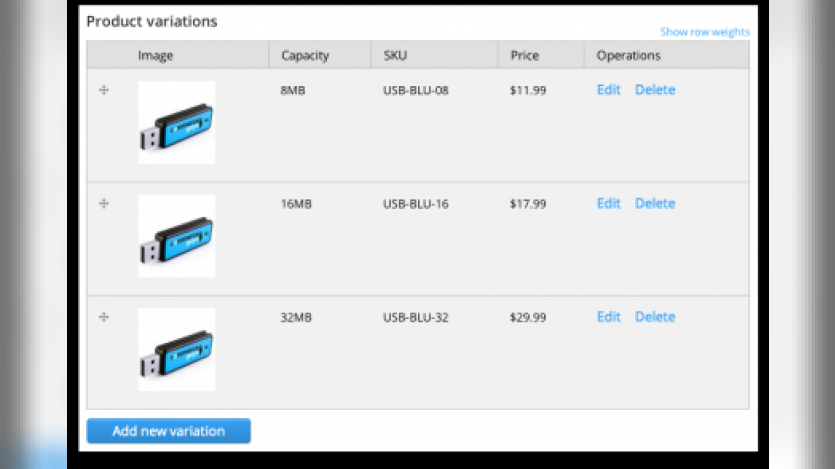
Managing related content across complex Drupal websites can quickly become an editorial bottleneck. In a recent ImageX tutorial, Nadiia Nykolaichuk explains how the Inline Entity Form (IEF) module addresses this challenge by embedding full edit forms for referenced entities directly within the parent content form.
The article outlines how Drupal’s default entity reference workflow can slow editors down, requiring them to create or edit related content on separate screens before linking it. Inline Entity Form removes that friction by allowing editors to create, edit, or reuse referenced entities without leaving the page. This reduces repetitive steps, lowers the risk of errors, and streamlines content-heavy publishing environments such as higher education, nonprofit, or event-driven websites.
Beyond the workflow improvement, the tutorial highlights Drupal’s architectural advantage: reusable entities updated in one place automatically reflect changes everywhere they appear. With proper permissions and editorial safeguards, IEF enables faster publishing while maintaining site-wide consistency—demonstrating how thoughtful configuration can make complex content structures manageable in practice.

ASK: Drupal Community Needs Your Support
View all →
Disclosure: This content is produced with the assistance of AI.
Disclaimer: The opinions expressed in this story do not necessarily represent that of TheDropTimes. We regularly share third-party blog posts that feature Drupal in good faith. TDT recommends Reader's discretion while consuming such content, as the veracity/authenticity of the story depends on the blogger and their motives.
Note: The vision of this web portal is to help promote news and stories around the Drupal community and promote and celebrate the people and organizations in the community. We strive to create and distribute our content based on these content policy. If you see any omission/variation on this please reach out to us at #thedroptimes channel on Drupal Slack and we will try to address the issue as best we can.

Related Organizations

Related People


You may also like