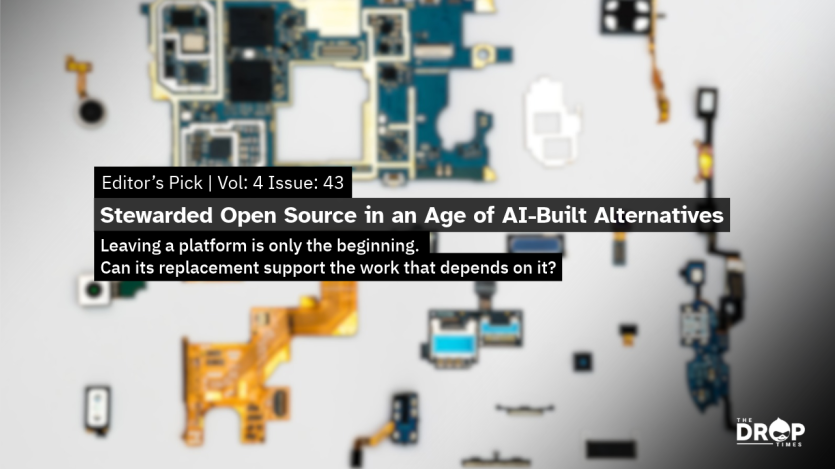
Working with AI, developer Brandon Thomas says he has recreated seven Adobe applications as open-source alternatives through ArtCraft. His pitch promises familiar tools without subscriptions, with code people can inspect, modify and keep. For users frustrated by proprietary terms, the attraction is a credible alternative they can make their own.
Credibility takes time to establish. PhotoCraft’s documentation describes an early alpha that is not yet a Photoshop replacement for daily professional work. Its future usefulness will depend on continuing improvements, compatibility and support, alongside the freedom its licence provides.
Drupal founder Dries Buytaert explains that distinction in his essay on licence-only and stewarded open source. Both are open source, but stewardship adds an ongoing commitment to the software and the people who depend on it. Maintainers fix failures, coordinate releases and respond to security issues, while organisations help fund the infrastructure and continuity that adoption requires.
Drupal illustrates why that continuing care matters. Its community and supporting organisations sustain a shared platform that users can retain while choosing different providers to host, extend or support it. The opportunity for new AI-built alternatives is to develop comparable continuity around their code. Established projects, including Drupal, must keep demonstrating that their stewardship delivers dependable software and meaningful choice.
A plausible outcome is more freely available alternatives, with lasting adoption concentrated around projects that sustain that care. Proprietary vendors may respond through better services or greater dependence on hosted features, while open projects can offer independence backed by accountable maintenance. Funding security, compatibility, documentation and long-term support would help make those alternatives viable. The strongest challenge to proprietary control could come from communities that give people both the freedom to leave and confidence in what comes next.
Follow The DropTimes on LinkedIn and Bluesky, or join #thedroptimes on Drupal Slack.
Allen Jason wrote and curated this issue of Editor’s Pick.