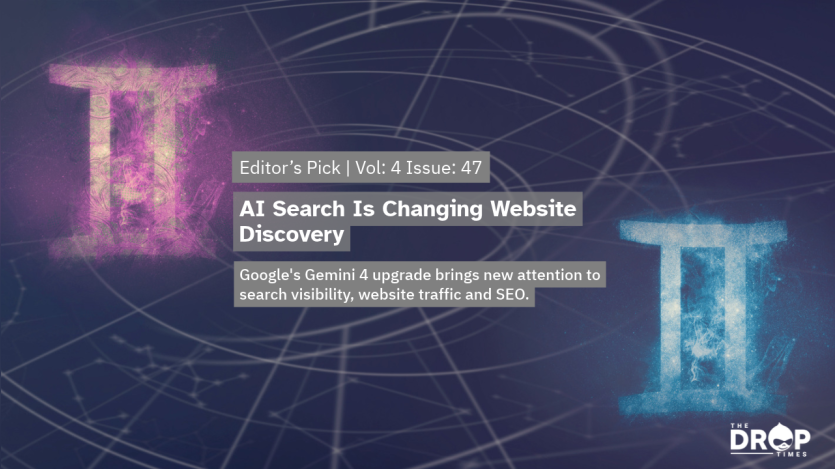
Google Search is getting better at answering questions, but what happens when the answer is enough and nobody visits the website behind it? On 12 November, Google introduced Gemini 4 Hydrogen to Search, promising a better grasp of complicated questions, richer results and links to more sources. That sounds useful for people searching. For the publishers supplying those answers, the harder question is what happens after their work appears in a result.
There is reason to ask. Pew Research Center found that users clicked a traditional search result in 8% of visits when an AI summary appeared, compared with 15% when it did not. Those figures come from March 2025, well before Hydrogen, so they cannot tell us what the new model will do. Google has offered a different perspective: it says overall organic clicks from Search have remained relatively stable and the visits it sends are more engaged. The two accounts measure different things, and publishers have to live with that uncertainty.
For years, a useful search result was often a route to a website. Now a page can help answer someone's question without receiving the visit. Being discovered, being cited and being read on the original site are no longer interchangeable outcomes. That distinction matters to a small newsroom, an independent documentation project or a community publication that needs readers, contributors or subscriptions, not merely a mention in an AI response.
There is at least something practical to measure. Google's generative AI reports in Search Console provide a dedicated view of visibility in AI search features. They do not replace the need to examine clicks, engagement and the actions visitors take after arriving. Nor does the change require a new set of secret SEO techniques: Google's guidance still points site owners towards crawlable pages, clear internal links and helpful, accessible content.
For Drupal and the wider open-source web, this is about more than search rankings. Community sites, maintainers and independent publishers make information freely available because people need it. AI search may help more people encounter that knowledge, but who will keep producing and maintaining it if the visits that sustain those sites become harder to earn? That is the question worth carrying into the next round of Search changes.
Follow The DropTimes on LinkedIn and Bluesky, or join #thedroptimes on Drupal Slack.
Kazima Abbas wrote and curated this issue of Editor’s Pick.