



How IT Care Used AI to Speed Up YMCA Website Content Migration

When the Small Y Platform launched last year, it marked a major step forward for YMCA associations across the U.S. and Canada. Designed to provide even the smallest YMCA teams with access to a modern, on-brand website infrastructure, the platform offers flexibility, design consistency, and scalability. Yet despite the promise, one persistent bottleneck remained: content migration.
For many local YMCAs, website content was scattered across PDFs, outdated CMSs, printed brochures, and various cloud folders. Moving this information into the new system was a resource-heavy, manual process. Teams found themselves stuck in the same loop, juggling old assets, trying to retrofit them into the new layout builder, and falling behind on launch timelines.
This is where IT Care, a full-stack digital company with a strong track record in Drupal, CRM integrations, and digital automation, stepped in with a solution tailored not only to the technology stack but also to the practical needs of YMCA staff. Speaking with The Drop Times, IT Care’s CEO and CTO Andrii Podanenko and PM and Communications Manager Zhanna Khoma shared details of a tool they developed internally to tackle this exact challenge: the AI-Powered Migration Assistant.
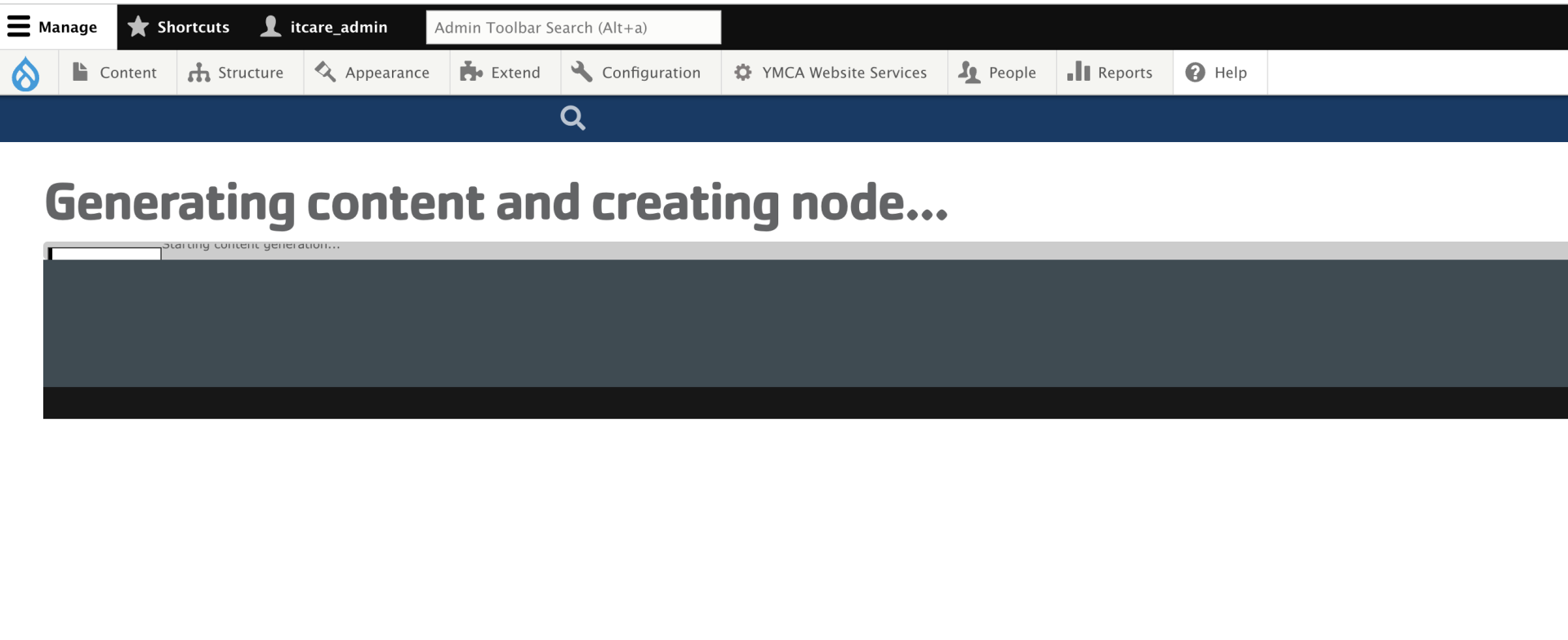
At its core, the Migration Assistant was designed to reduce the manual workload of content migration. Users can upload PDFs, flyers, program guides, or other print materials, and pair them with images. The assistant automatically extracts and organises the content, even parsing text embedded in images. The tool then rebuilds the material into a clean, branded layout using components from the Small Y Platform's layout builder. It also extends beyond static files: YMCA teams can pull content directly from their social media channels and have it mapped onto the site, giving new websites fresh, community-driven material without additional effort.
But the tool's real impact came into focus during field use.
“The pivotal moment came when we realised the Migration Assistant wasn’t just moving content faster, it was revealing patterns and simplifying structures,”
Zhanna explained.
“It allowed YMCA teams to see their websites with fresh eyes.”
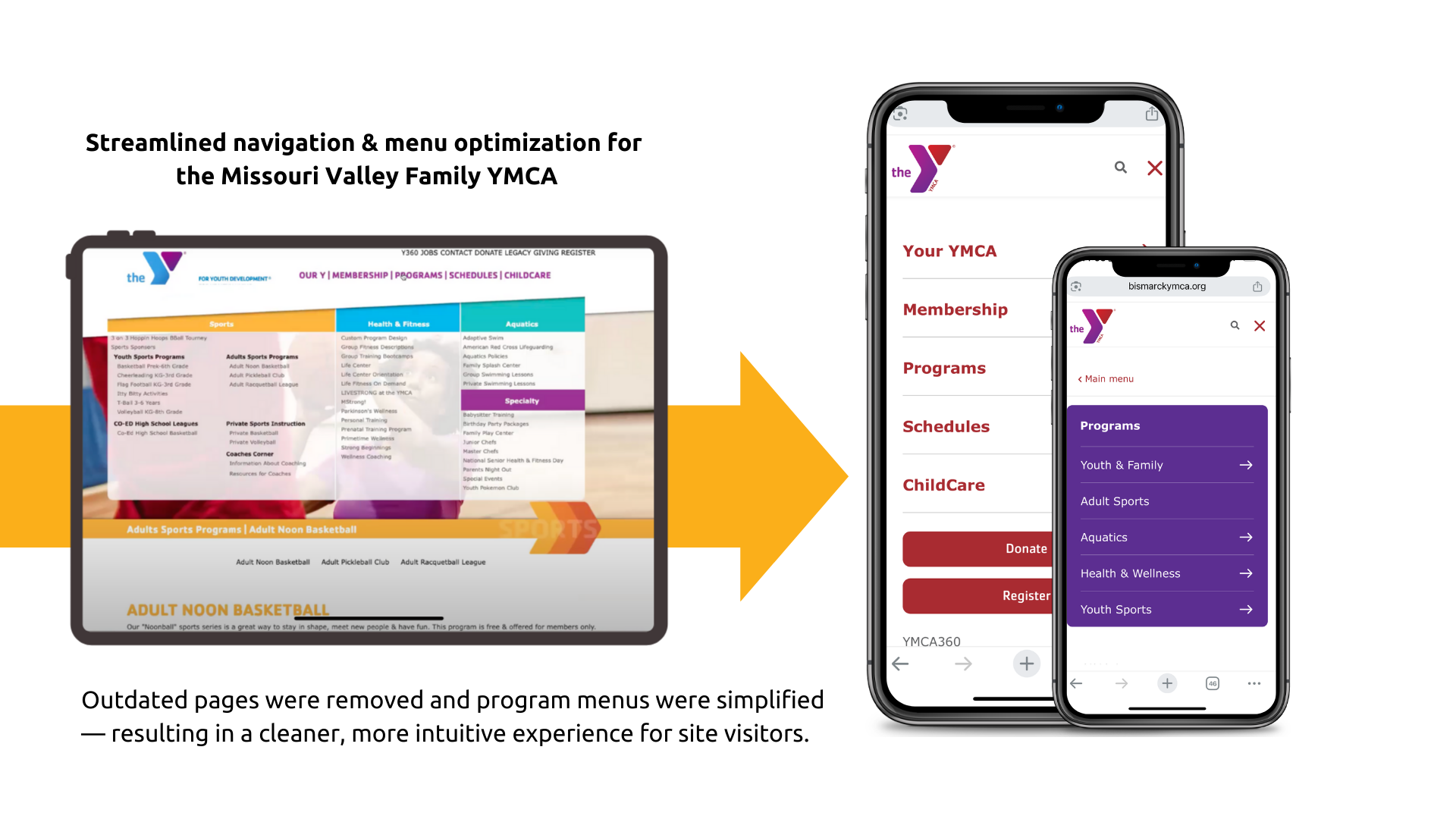
Rather than recreating every old element, the tool supported strategic clean-up, helping teams consolidate outdated information, apply brand standards more consistently, and streamline how programs and services were presented online. The AI-Powered Migration Assistant didn’t just automate a task; it facilitated a more thoughtful approach to content design and digital communication.
From IT Care’s perspective, this evolved the tool’s role beyond simple migration.
“That’s when it became clear that the assistant could not only accelerate migration, but also empower teams to work smarter and more strategically with their content in the long run,”
Zhanna added.
They also pointed to the tool’s secondary function as a kind of knowledge-transfer middleware, making institutional content easier to reorganise and maintain, not just move.
Case in Point: Missouri Valley Family YMCA
The Missouri Valley Family YMCA was an early test site for the AI-Powered Migration Assistant. IT Care used a hybrid approach, 70% manual migration, 30% assisted by AI. Rather than manually recreating static pages with flyers and text, the team uploaded PDFs and images into the assistant. Within 30 seconds, it produced a structured draft page in Drupal’s Layout Builder. The tool didn’t just move content; it suggested layout improvements, organised visuals, and aligned everything with the Y’s branding. This reduced setup time and made it easier for teams to adopt the new CMS with minimal edits.
More importantly, the assistant exposed opportunities to improve content structure and editorial strategy.
“AI-driven insights confirmed good vs bad architecture decisions from the past,”
said CEO Andrii Podanenko.
“As Open Y moved from paragraphs to Layout Builder blocks, we found
block_contentis better understood by AI compared to Paragraph. Multiple content types were also validated, but AI also showed where a universal content type helps for initial kick-off.”
Instead of just automating tasks, AI surfaced patterns that helped content teams rethink and improve how they organised information, especially useful for small teams managing large volumes of content.
“Overall all AI findings are unexpected—we never thought AI tools would be a pivotal moment for content editors in such a way,”
Andrii added.
Accessibility by Design: Supporting Smaller Teams
While building functional tools is one part of the equation, IT Care emphasised that long-term success hinges on usability, especially for smaller YMCAs operating with lean staff and limited technical capacity.
Their work with the Missouri Valley and Attleboro Norton YMCAs reinforced this point. For many associations, the decision to migrate to a new platform isn’t just about design or infrastructure, it’s about bandwidth. Even with powerful tools like the AI Migration Assistant, adoption stalls if teams feel overwhelmed or unsupported.
“We know that the best outcome is not just creating a powerful tool, but ensuring the team feels confident using it,” said Zhanna.
Instead of offering only written documentation, the team invested in accessible onboarding, delivering step-by-step video tutorials tailored to each client’s content setup. These walkthroughs show exactly how to upload materials, trigger migrations, and make adjustments in Layout Builder. The idea is to remove guesswork and make the tool usable, even for staff with no technical background.
As Marsea McGonagle, Director of Marketing & Communications at Attleboro Norton YMCA, put it:
“I am a small team of one, and I was still able to make it work with the support of IT Care. Many Y’s are very under-resourced in marketing, and that is probably a barrier to deciding to do the new website.”
The Migration Assistant was built with this reality in mind. Under the hood, it handles complexity—file parsing, layout mapping, and AI-driven recommendations, while the front end remains simple and task-oriented. From IT Care’s perspective, that balance is what turns a tool into a workable solution for the nonprofit sector.
From Duplication to Clarity: A Real-World Consolidation Example
One of the more tangible benefits of combining AI with structured layout design emerged during content preparation for YMCA program pages, specifically, those related to youth basketball.
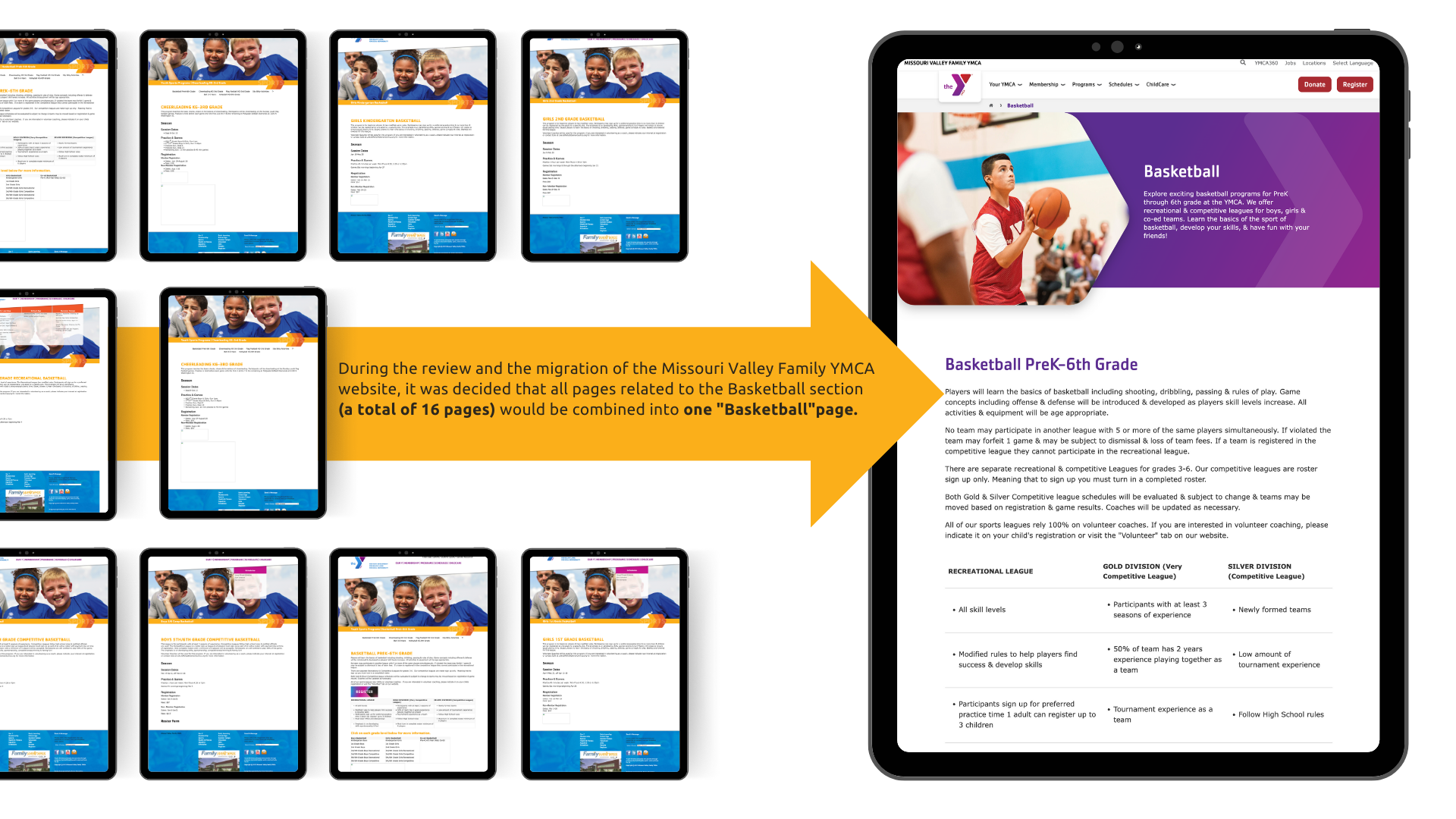
While reviewing the legacy site content, IT Care and the YMCA team identified 16 separate pages covering various basketball programs. While each page contained useful information, the structure was fragmented. The AI assistant flagged this redundancy and suggested a more unified approach.
Acting on that insight, the team consolidated the content into a single page titled “Basketball PreK–Grade 6.” Using Drupal’s Layout Builder, they implemented an Accordion component to preserve all relevant details without overwhelming visitors. The result: one streamlined, easy-to-navigate program page that aligned with the Small Y brand standards.
This ability to reframe and improve content structure wasn’t incidental—the platform's technical scaffolding enabled it. For IT Care, Drupal’s Layout Builder played a foundational role in shaping how the Migration Assistant functioned, and why its recommendations made sense in the first place.
“The YMCA brandbook has a predefined list of styled components,”
explained Andrii.
“They were styled and shaped to serve the specific needs of marketing teams. This is a major foundation for AI success.”
By working within a defined set of branded components, the assistant could offer layout suggestions that were both predictable and on-brand. That consistency removed friction for editors, allowing them to focus more on messaging and structure, rather than on manual formatting or design decisions.
In this case, the technology didn’t just facilitate the migration; it improved the editorial strategy. The assistant became a support system that helped teams make informed, scalable content decisions that aligned with both design goals and user experience needs.
Impact and Takeaways
As shared in IT Care’s case study, the Migration Assistant delivered noticeable results across several dimensions. Migration tasks that would typically take hours were reduced to under a minute. Staff were able to create branded, modern pages without needing extensive training, making the tool especially valuable for smaller teams. The solution also supported scalability, enabling more YMCAs to upgrade to the Small Y Platform with less friction and making it easier to reuse content from social media channels by converting stories, photos, and updates into web-ready material.
Why this matters is clear: faster launches help YMCAs showcase current programs without delay, fresh content keeps communities engaged, and even under-resourced teams can maintain a vibrant, modern web presence. The assistant didn’t just speed up a process; it helped level the playing field.
Looking Ahead: AI, Drupal, and the Role of Community
AI in Drupal is still evolving, and IT Care’s Migration Assistant offers one of the few grounded examples of how it can serve real user needs. While the Drupal community is developing core AI architecture, IT Care sees its role in applying those ideas through tools and practical workflows.
“Truth is in the middle between baby steps we do and AI architecture being integrated into Drupal by Drupal development teams,” said CEO Andrii.
Through Open Y, the team is working toward making their features reusable as Drupal “recipes.” But their biggest contribution, Andrii noted, may be in simply sharing what they’ve learned.
“We do contribute as case studies, and this feels like a major gap in Drupal AI, lack of case studies applicable to end-user needs. But this is ok, due to the pace of AI development nowadays.”
IT Care’s long-term work with mission-driven organisations has also shaped how they build. Their ongoing partnerships have helped them stay focused on usability, accessibility, and community-first thinking.
“We are a mission-driven team,”
Andrii said.
“Our mission copies some of the areas of focus from the YMCA community. So I’d say we became a little bit YMCA. Just slightly more technically savvy.”
 Kazima AbbasKazima Abbas is a sub-editor at The Drop Times
Image Attribution Disclaimer: At The Drop Times (TDT), we are committed to properly crediting photographers whose images appear in our content. Many of the images we use come from event organizers, interviewees, or publicly shared galleries under CC BY-SA licenses. However, some images may come from personal collections where metadata is lost, making proper attribution challenging.
Our purpose in using these images is to highlight Drupal, its events, and its contributors—not for commercial gain. If you recognize an image on our platform that is uncredited or incorrectly attributed, we encourage you to reach out to us at #thedroptimes channel on Drupal Slack.
We value the work of visual storytellers and appreciate your help in ensuring fair attribution. Thank you for supporting open-source collaboration!


ASK: Drupal Community Needs Your Support
View all →
Note: The vision of this web portal is to help promote news and stories around the Drupal community and promote and celebrate the people and organizations in the community. We strive to create and distribute our content based on these content policy. If you see any omission/variation on this please reach out to us at #thedroptimes channel on Drupal Slack and we will try to address the issue as best we can.

Related Website
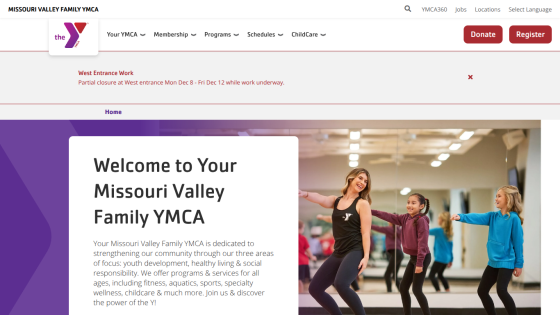
Missouri Valley Family YMCA
Website Domain
bismarckymca.org
Description
Missouri Valley Family YMCA is a non-profit organization offering community-focused programs including fitness, youth and family activities, aquatics, child care, and wellness initiatives.
Related People


Related Organizations


You may also like