



DDEV Details Mutagen Functionality and New Debugging Tools

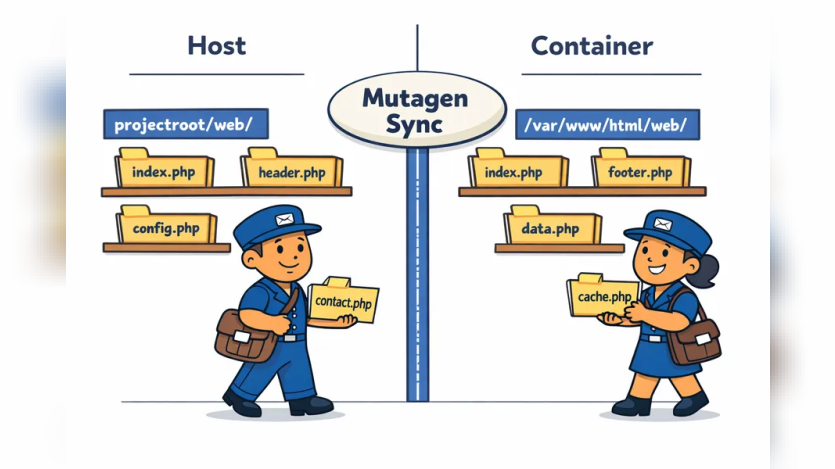
DDEV has published a detailed overview of how Mutagen enhances filesystem performance for macOS and traditional Windows users working with containerised PHP applications. In a 16 February 2026 blog post, project maintainer Randy Fay explains how Mutagen replaces slow Docker bind mounts with an asynchronous synchronisation model that maintains a cached project copy inside a Docker volume.
The approach allows processes such as php-fpm to read files directly from the container’s local Linux filesystem rather than repeatedly checking the host filesystem. This significantly improves performance in large Composer-based projects containing tens of thousands of PHP files.
The post explains how Mutagen operates within DDEV, including coordination between host and container daemons, lifecycle behaviour during ddev start and ddev stop, and configuration settings such as upload_dirs, which exclude heavy directories like node_modules from synchronisation to prevent slow sync times.
Common issues addressed include extended initial sync durations, stale file restoration after branch changes made while DDEV is stopped, simultaneous file modifications, and disk space growth caused by maintaining duplicated project data inside Docker volumes.
To streamline troubleshooting, DDEV now includes a diagnostic command, ddev utility mutagen-diagnose, which evaluates volume size, sync session health, exclusion configuration and large directory usage. Additional commands allow developers to monitor live sync activity, reset sessions and inspect logs when diagnosing startup delays or filesystem inconsistencies.
The article also references a contributor training session held on 22 January 2026 and positions the documentation as a practical guide for teams using Mutagen’s performance mode by default on macOS and traditional Windows systems.

ASK: Drupal Community Needs Your Support
View all →
Disclosure: This content is produced with the assistance of AI.
Disclaimer: The opinions expressed in this story do not necessarily represent that of TheDropTimes. We regularly share third-party blog posts that feature Drupal in good faith. TDT recommends Reader's discretion while consuming such content, as the veracity/authenticity of the story depends on the blogger and their motives.
Note: The vision of this web portal is to help promote news and stories around the Drupal community and promote and celebrate the people and organizations in the community. We strive to create and distribute our content based on these content policy. If you see any omission/variation on this please reach out to us at #thedroptimes channel on Drupal Slack and we will try to address the issue as best we can.

Related Organizations

Related People


You may also like