


Improving Drupal Accessibility and SEO through Integrated Technical Standards

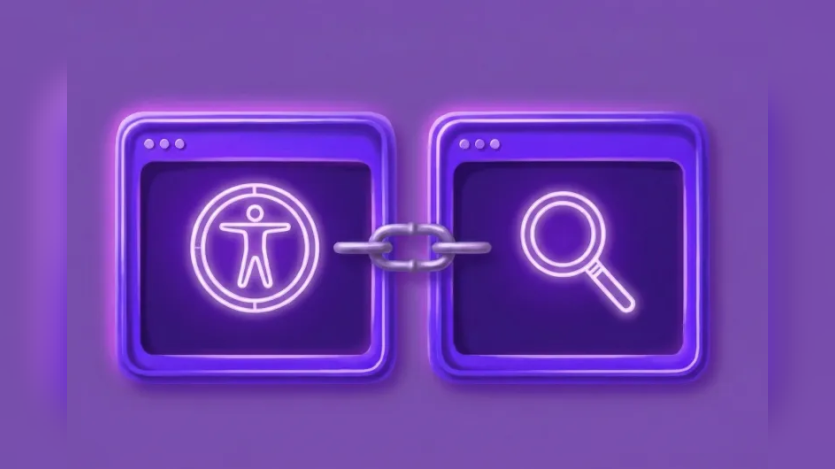
Accessibility practices in Drupal often intersect with search engine optimisation because both rely on clear structural signals within web content. In a blog post published by ImageX, Nadiia Nykolaichuk explains how accessibility standards and SEO practices reinforce each other through shared technical foundations such as semantic HTML structure and logical heading hierarchies.
The article describes how elements, including semantic markup, structured headings, descriptive alternative text for images, and meaningful link text, help both screen readers and search engine crawlers interpret website content. Drupal’s editing tools, such as Media Library and CKEditor 5, along with contributed modules like Editoria11y Accessibility Checker and Real-Time SEO, support these practices by helping editors identify structural and accessibility issues while maintaining search-friendly content.
The post also notes that performance and usability improvements benefit accessibility and SEO simultaneously. Features such as responsive design, readable content structure, transcripts for multimedia content, and Drupal’s caching and performance tools contribute to better usability for assistive technologies while improving search engine visibility. According to the article, focusing on clear structure and inclusive design ultimately strengthens both user experience and site discoverability.
ASK: Drupal Community Needs Your Support
View all →
Disclosure: This content is produced with the assistance of AI.
Disclaimer: The opinions expressed in this story do not necessarily represent that of TheDropTimes. We regularly share third-party blog posts that feature Drupal in good faith. TDT recommends Reader's discretion while consuming such content, as the veracity/authenticity of the story depends on the blogger and their motives.
Note: The vision of this web portal is to help promote news and stories around the Drupal community and promote and celebrate the people and organizations in the community. We strive to create and distribute our content based on these content policy. If you see any omission/variation on this please reach out to us at #thedroptimes channel on Drupal Slack and we will try to address the issue as best we can.

Related Drupal Initiatives

Related Organizations

Related People


You may also like