



AIO and GEO Reframe Search Visibility Around AI-Generated Answers

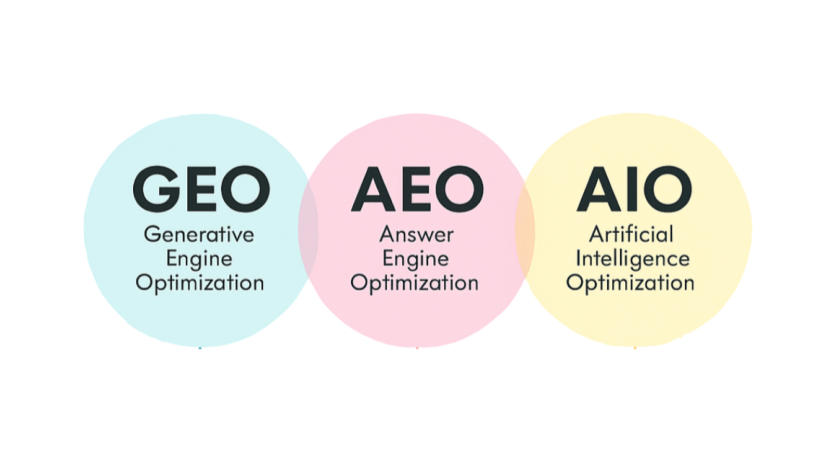
Search behaviour is shifting as AI-generated responses increasingly replace traditional link-based discovery, according to a post by 1xINTERNET. The article describes a pattern where users receive complete answers directly within search interfaces, reducing the need to visit external websites. It cites external research indicating that zero-click searches account for a significant share of queries, with estimates ranging from 27% to as high as 60–70%.
The post frames this as a structural shift in how information is accessed and evaluated online. It introduces AI Optimisation (AIO) and Generative Engine Optimisation (GEO) as approaches that respond to this change. Unlike traditional search engine optimisation, which focused on rankings and click-through rates, GEO emphasises whether content is incorporated directly into AI-generated answers. Visibility, in this context, is defined by reference and inclusion rather than position in search results.
To address this shift, the article presents the S1xSIGNALS framework, which evaluates content across six dimensions: citation readiness, query alignment, content structure and formatting, authority and trust signals, semantic clarity, and technical accessibility. These factors are described as conditions that improve the likelihood of content being recognised, interpreted, and reused by AI systems.
The framework outlines practices such as providing clear and attributable statements, answering queries directly, maintaining consistent terminology, and ensuring technical accessibility through structured formats. However, the post does not include implementation-level detail such as tooling, configuration examples, or measurable benchmarks. It functions as a conceptual model for adapting content strategy rather than a technical guide.
ASK: Drupal Community Needs Your Support
View all →
Disclosure: This content is produced with the assistance of AI.
Disclaimer: The opinions expressed in this story do not necessarily represent that of TheDropTimes. We regularly share third-party blog posts that feature Drupal in good faith. TDT recommends Reader's discretion while consuming such content, as the veracity/authenticity of the story depends on the blogger and their motives.
Note: The vision of this web portal is to help promote news and stories around the Drupal community and promote and celebrate the people and organizations in the community. We strive to create and distribute our content based on these content policy. If you see any omission/variation on this please reach out to us at #thedroptimes channel on Drupal Slack and we will try to address the issue as best we can.

Related Organizations

You may also like