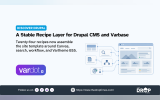



Vardot Updates NGO Build-vs-Buy Guide Using UNHCR Drupal Platform

Updated guidance on donation platforms draws on UNHCR’s Drupal implementation to examine when NGOs may need to build rather than buy fundraising software. Firas Ghunaim, marketing manager at Vardot, published the guide on 28 March 2026 and updated it on 29 July 2026. It considers launch dependency, payment flexibility, data portability, security transparency, and reporting across multiple markets.
The guide presents UNHCR’s platform as an example of combining local campaign control with central governance. Campaign teams can reuse layouts, configure local payment methods, and publish without waiting for engineering support, while global administrators retain visibility across markets. The implementation also connects Salesforce synchronisation, analytics, permissions, and transaction logging to the shared platform.
For Drupal teams, the case illustrates how one platform can support different market requirements without rebuilding the underlying system for each country. Vardot describes the addition of new markets as configuration work rather than separate implementations, with templates and permissions used to keep local publishing within a common operating model. The guide frames that balance between autonomy and oversight as a central factor in the build-versus-buy decision.
According to Vardot, the platform had processed more than US$67 million across more than 35 markets and supported more than 2,500 campaigns by December 2025. Vardot also reports that campaign teams can publish pages within about 15 minutes by cloning an existing campaign and changing its content, layout, and payment settings. These figures remain vendor-reported. The Drupal.org case study that repeats them is also attributed to Vardot.
References
ASK: Drupal Community Needs Your Support
View all →
Disclosure: This content is produced with the assistance of AI.
Disclaimer: The opinions expressed in this story do not necessarily represent that of TheDropTimes. We regularly share third-party blog posts that feature Drupal in good faith. TDT recommends Reader's discretion while consuming such content, as the veracity/authenticity of the story depends on the blogger and their motives.
Note: The vision of this web portal is to help promote news and stories around the Drupal community and promote and celebrate the people and organizations in the community. We strive to create and distribute our content based on these content policy. If you see any omission/variation on this please reach out to us at #thedroptimes channel on Drupal Slack and we will try to address the issue as best we can.
Related Organizations

Related People


You may also like